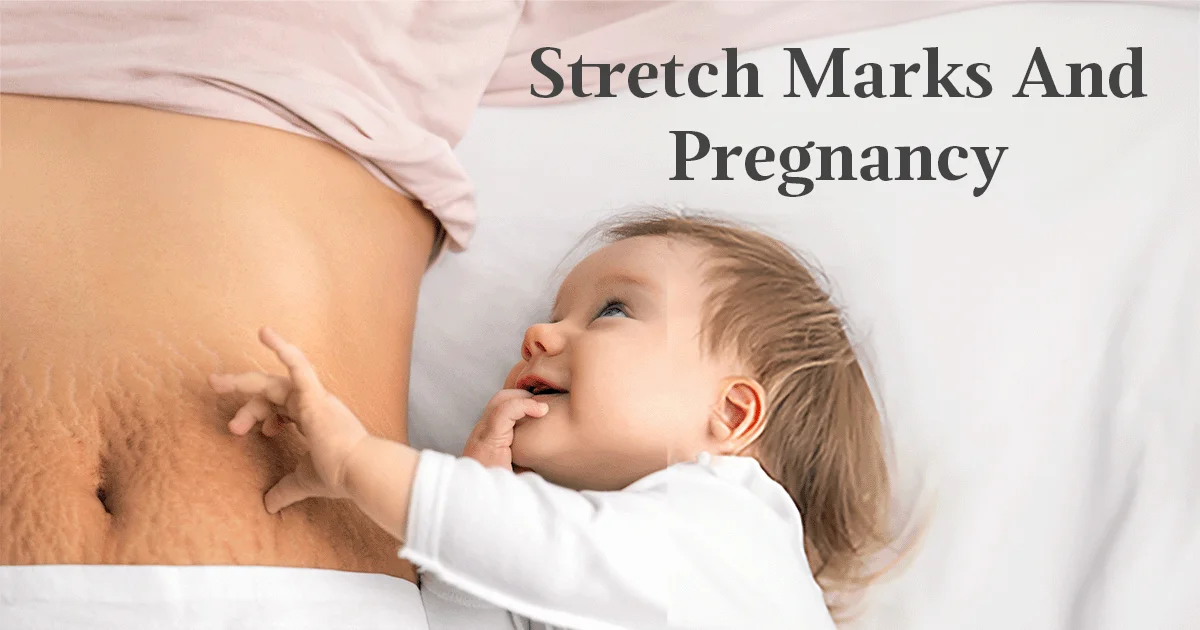



Pregnancy makes you extra careful. One moment you notice two pink lines on the stick. And the next thing you know, you’re suspicious about everything, including your skincare. That’s because you know that certain chemicals can be absorbed by your skin and reach your baby.
When it comes to pregnancy skincare, retinol is usually one of the first to go. Much of this concern comes from research papers that have linked it to birth defects in babies. So does that mean that moms-to-be have to put their skincare goals on hold for the next nine months?
Not at all! And that's where bakuchiol enters the chatroom.
Often described as a plant-derived alternative to retinol, bakuchiol has gained popularity for delivering similar skin benefits without carrying the adverse effects of the former.
In this blog, we’ll dive deeper into the topic and understand why bakuchiol might be a safer retinol alternative during pregnancy.
Key Takeaways
|
Why Is Retinol Not Recommended During Pregnancy?
Retinol belongs to a family of ingredients known as retinoids, which are derived from vitamin A. Oral retinoids are known to increase the risk of birth defects, which is why they are strictly avoided during pregnancy.1
Although topical retinol is absorbed into the body in much smaller amounts, there isn't enough evidence to confirm it is completely safe for use during pregnancy. As a precaution, healthcare professionals generally recommend avoiding topical retinoids as well.1
This leaves many expecting mothers looking for alternatives that can help maintain healthy, radiant skin without the same concerns.
What Is Bakuchiol?
Bakuchiol is a naturally derived skincare ingredient extracted from the seeds and leaves of the babchi plant.2
While it's often called a "natural retinol alternative," bakuchiol isn't related to retinol or vitamin A. Instead, it supports many of the same skin-renewing processes through a different mechanism.
Research suggests bakuchiol can help improve:2
- Fine lines and wrinkles
- Uneven skin tone
- Skin firmness and elasticity
- Overall skin texture
- Signs of sun damage
One of its biggest advantages is that it's also known to be much gentler on the skin, making it suitable even for those with sensitive or easily irritated skin.
Bakuchiol Vs Retinol
Let’s take a look at how bakuchiol and retinol compare to each other for skincare:1 2
|
Feature |
Bakuchiol |
Retinol |
|
Source |
Plant-derived (Babchi plant) |
Vitamin A derivative |
|
Skin Benefits |
Helps improve fine lines, firmness, uneven skin tone and texture |
Helps improve fine lines, firmness, uneven skin tone and texture |
|
Visible Results |
Comparable improvements in signs of skin ageing in clinical studies |
Well-established anti-ageing ingredient |
|
Skin Tolerance |
Gentle on skin with significantly less dryness, redness and irritation |
More likely to cause dryness, peeling and irritation |
|
Suitable for Sensitive Skin |
Generally well tolerated |
May not suit sensitive skin |
|
Pregnancy Consideration |
Not a vitamin A derivative and widely used in pregnancy-focused skincare |
Generally avoided during pregnancy |
Is Bakuchiol Safe During Pregnancy?
Based on current evidence, bakuchiol is considered a promising alternative for those who wish to avoid retinoids during pregnancy.2
Unlike retinol, bakuchiol is not a vitamin A derivative and has not been associated with the pregnancy-related concerns linked to retinoids.2
While bakuchiol hasn't been specifically tested in pregnant women (a common limitation for most cosmetic ingredients), there are no known reports linking topical bakuchiol to pregnancy-related harm. Its gentle profile and lack of retinoid activity have made it an increasingly popular ingredient in skincare products formulated for expecting and breastfeeding mothers.
Note: As with any skincare product during pregnancy, it's always sensible to discuss new products with your healthcare provider, especially if you have a high-risk pregnancy or pre-existing skin conditions.
Does Bakuchiol Work as Well as Retinol?
Research comparing bakuchiol with retinol has shown encouraging results.
Studies have found that bakuchiol can improve visible signs of skin ageing, including fine lines, pigmentation and uneven texture. In head-to-head comparisons, participants experienced similar improvements with bakuchiol and retinol over several weeks.3
The key difference?
People using bakuchiol experienced significantly less dryness, redness and irritation than those using retinol.3
While retinol remains the gold standard for treating certain concerns like persistent acne, bakuchiol offers an effective option for maintaining healthy, youthful-looking skin, especially for those who cannot (or prefer not to) use retinoids.
Benefits of Bakuchiol During Pregnancy
Many women notice changes in their skin during pregnancy, including dryness, sensitivity, dullness and uneven pigmentation.
- Supporting smoother-looking skin
- Improving the appearance of fine lines
- Helping reduce the appearance of uneven pigmentation
- Being gentle enough for sensitive skin
How to Use Bakuchiol During Pregnancy
If you're introducing bakuchiol into your routine:
- Start with a gentle, well-formulated product. You can try our Skin Brightening Serum formulated with Bakuchiol, Gold microparticles, and several other proven natural ingredients, which gives visible results within 28 days of consistent use.
- You can apply it after cleansing and before your moisturiser.
- Additionally, wear sunscreen every morning, as daily sun protection remains essential for healthy skin.
- If you have any concerns about introducing new skincare during pregnancy, consult your OB-GYN.
The Bottom Line
Giving up retinol during pregnancy doesn't mean giving up healthy, glowing skin.
Bakuchiol offers many of the same visible skincare benefits as retinol while taking a completely different approach. Because it isn't a vitamin A derivative, it doesn't carry the concerns associated with retinoids and has become a popular choice in pregnancy-friendly skincare formulations. Plus, it offers a reassuring option for moms-to-be looking to continue caring for their skin throughout pregnancy.