

Pregnancy changes a lot more than your growing bump. As your body adapts, so does your skin. Hormonal changes can leave it feeling dry, sensitive, or more prone to pigmentation and breakouts.1 For some, it brings the much-talked-about pregnancy glow. For others, skincare suddenly feels a lot more complicated.
It's only natural to reach for products that promise to help. But here's the thing. The skincare products you've been using before pregnancy may not always be the best choice during these nine months. Some ingredients are generally not recommended during pregnancy, which is why it's worth taking a closer look at what's inside your products.
But that doesn't mean you need to give up skincare altogether. It simply means paying a little more attention to the ingredients. Knowing what to avoid and what is considered pregnancy-safe can help you build a skincare routine with confidence.
Pregnancy Hormones And Your Skin
One of the many things pregnancy hormones influence is your skin. They can change how your skin looks, feels, and even how it reacts to products you've been using for years.
During pregnancy, you may notice: 2 3
- Dark patches on your face (melasma)
- Acne or unexpected breakouts
- Dry or sensitive skin
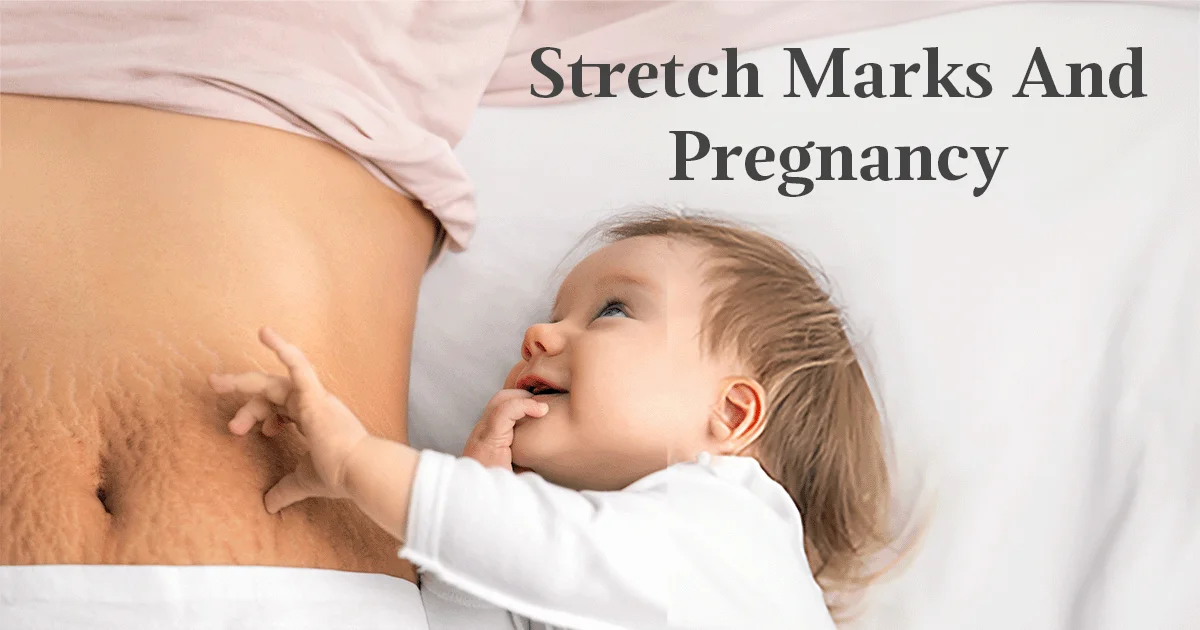
- Stretch marks as your baby bump grows
That said, not everyone experiences all of these changes, and that's perfectly normal. The important part is choosing the right skincare, especially the ingredients in it. So let’s take a closer look at the ingredients doctors generally recommend avoiding during pregnancy.
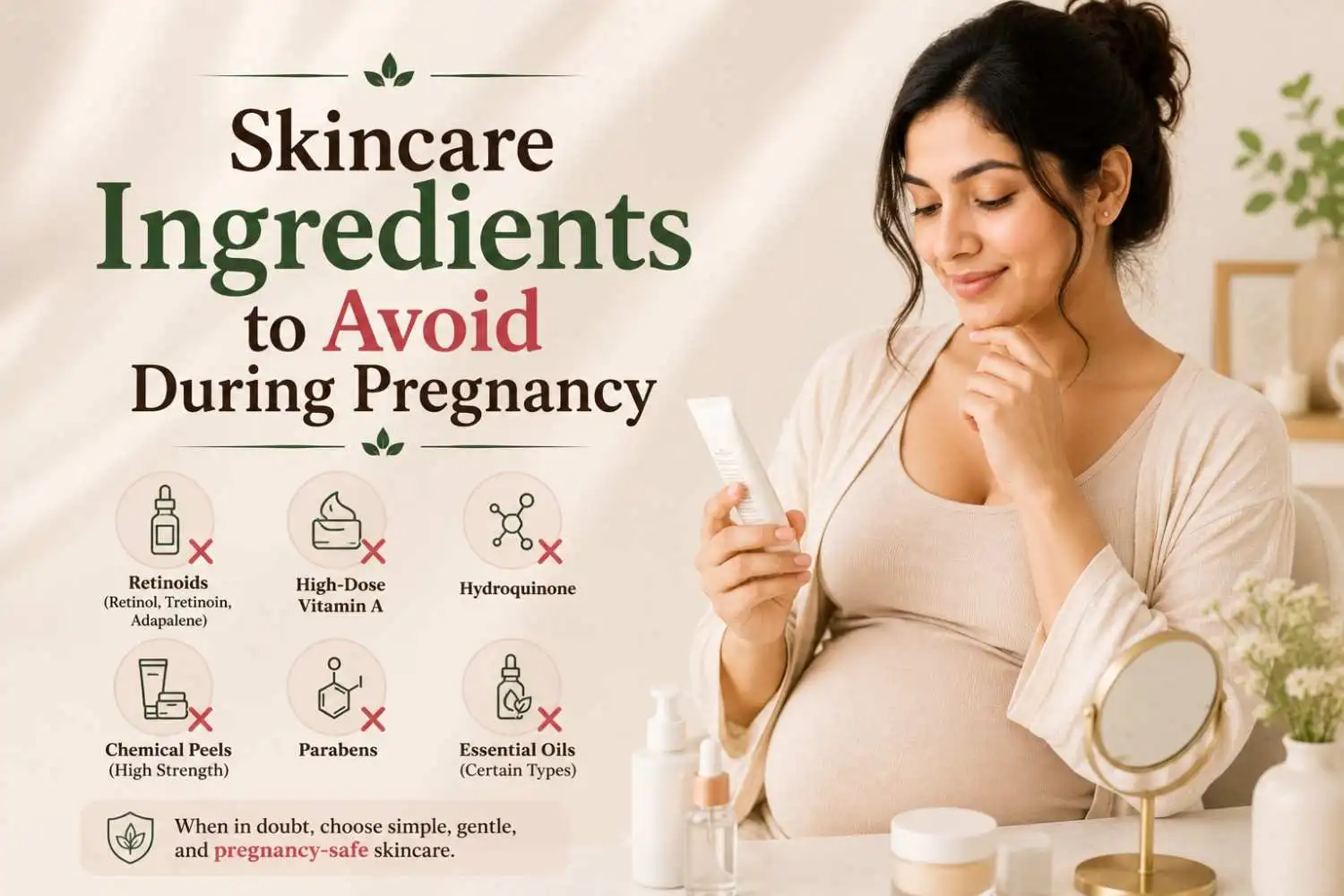
Skincare Ingredients To Skip During Pregnancy
You don't need to overhaul your skincare routine during pregnancy. A quick glance at the ingredient list before you buy is often all it takes to make better skincare choices. Here's what to watch out for:
1. Parabens
You'll find these in almost every cosmetic and personal skincare product you own. They're preservatives that stop bacteria, which shortens the lifespan of your product. But here’s the catch! Parabens don't always show up as "paraben" on the product label. They hide behind other names. So keep an eye out for:4
- Propylparaben
- Butylparaben
- Isopropylparaben
- Isobutylparaben
- Methylparaben
If you see any of these on the ingredient list, that's a paraben.
Why to avoid in pregnancy:
Studies have found a link between paraben exposure and changes in a baby's birth weight.4 There's also growing evidence that parabens act as endocrine disruptors, meaning they can interfere with your hormones and reproductive health.4
That's reason enough to double-check your skincare labels before you buy.
2. Phthalates
Phthalates are chemicals that make plastics durable. So they are known as ‘plasticizers’. In fact they're also used as stabilisers in perfumes and fragrances. That means, they help your scented product last longer. That's why you'll find them in skincare, nail polish, and cosmetics. They are usually hidden under names such as:5
- dibutylphthalate (DBP)
- dimethylphthalate (DMP)
- diethylphthalate (DEP)
Why to avoid in pregnancy:
Research links phthalate exposure to hormone disruption, including changes in thyroid levels. In pregnancy, it can also raise the risk of preterm birth and complications like preeclampsia.5
3. Hydroquinone
It is one of the well-known ingredients for treating pigmentation. It is used in skin-brightening products that claim to gradually fade the appearance of dark spots and melasma. It works by slowing down melanin production, the pigment that gives skin its colour.6
Why to avoid in pregnancy:
Hydroquinone is more highly absorbed through the skin than other topical skincare ingredients. There's also limited research on its effects in pregnant women, but some animal studies have raised concerns about fetal development. Since human safety data is insufficient, gynaecologists generally recommend avoiding it during pregnancy. 6
4. Retinoids
Retinoids are commonly used to treat acne, smooth fine lines, improve skin texture, and fade dark spots. In simple words, they're vitamin A-based ingredients found in many skincare products.6
Why skip them during pregnancy?
Research has shown that high doses of vitamin A can affect a baby's development, especially in early pregnancy. Even though topical retinoids are absorbed in much smaller amounts, doctors usually recommend avoiding them until after pregnancy to stay on the safe side.6
5. Toluene
You've probably noticed a sharp smell in nail polish, nail paint thinner, and wall paints, that's toluene. It's a chemical solvent, also known as methylbenzene.7
Why to avoid in pregnancy:
High exposure to toluene during pregnancy has been linked to problems with baby growth, premature birth, and birth defects. In fact, animal studies back this up, showing reduced fetal weight and delayed bone development in unborn babies.7
6. Formaldehyde
Formaldehyde can be found in some hair treatments, nail products, and cosmetics. It is mainly used as a preservative to keep products fresh and prevent the growth of bacteria.8
Why to avoid in pregnancy:
It is believed that high exposure to formaldehyde can cause reproductive problems, including the risk of miscarriage. So to prevent any such complications during pregnancy, doctors do not recommend using formaldehyde-containing products until after pregnancy.8
7. Essential Oils
Essential oils are used in a lot of skincare products, cosmetics, and aromatherapy. They're generally considered safe during pregnancy but not all of them. Only a few are safe, and only when diluted with a carrier oil before applying.9
Which ones should you avoid?
Essential oils can trigger uterine contractions when inhaled during pregnancy. Some oils can even raise blood pressure and increase bleeding risk. So for these reasons gynaecologists suggest avoiding any essential oils in pregnancy.9
Final Thoughts
Pregnancy doesn't mean giving up your daily skincare. It simply means being a little more mindful of what goes on your skin. Reading ingredient labels, choosing pregnancy-friendly products, and checking with your gynaecologist whenever you're unsure is ideal. So, when in doubt, it's always better to be safe, for both you and your baby.
Frequently Ask Questions:
1. Which Skincare Products Should I Avoid During Pregnancy?
Avoid products containing retinoids, hydroquinone, parabens, phthalates, formaldehyde, and toluene. Some essential oils are also best avoided during pregnancy. Always check the ingredient list carefully before purchasing or using any skincare product.
2. Can I Use Niacinamide During Pregnancy?
Yes. Niacinamide is generally considered safe during pregnancy. It helps improve skin hydration, strengthen the skin barrier, and reduce the appearance of uneven skin tone. If you're introducing a new skincare product during pregnancy, consult your healthcare provider first.
3. Can I Use A Vitamin C Serum During Pregnancy?
Yes. Vitamin C is generally considered safe to use during pregnancy. It provides antioxidant protection, helps brighten the skin, and supports a more even-looking complexion. Choose a gentle formula suitable for your skin type and consult your doctor before starting any new skincare product during pregnancy.
4. How Do I Know If A Skincare Product Is Pregnancy-Safe?
Start by checking the ingredient list rather than relying only on marketing claims such as "natural" or "pregnancy-safe." Avoid products containing ingredients that are generally not recommended during pregnancy, and if you're unsure, consult your gynaecologist or dermatologist before use.