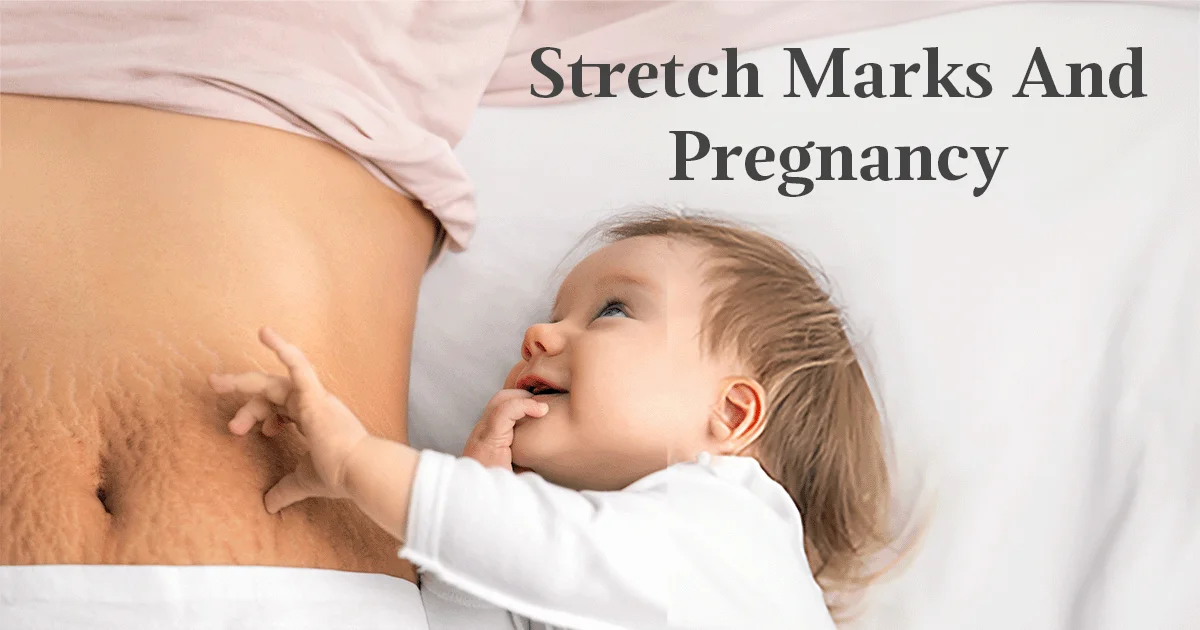


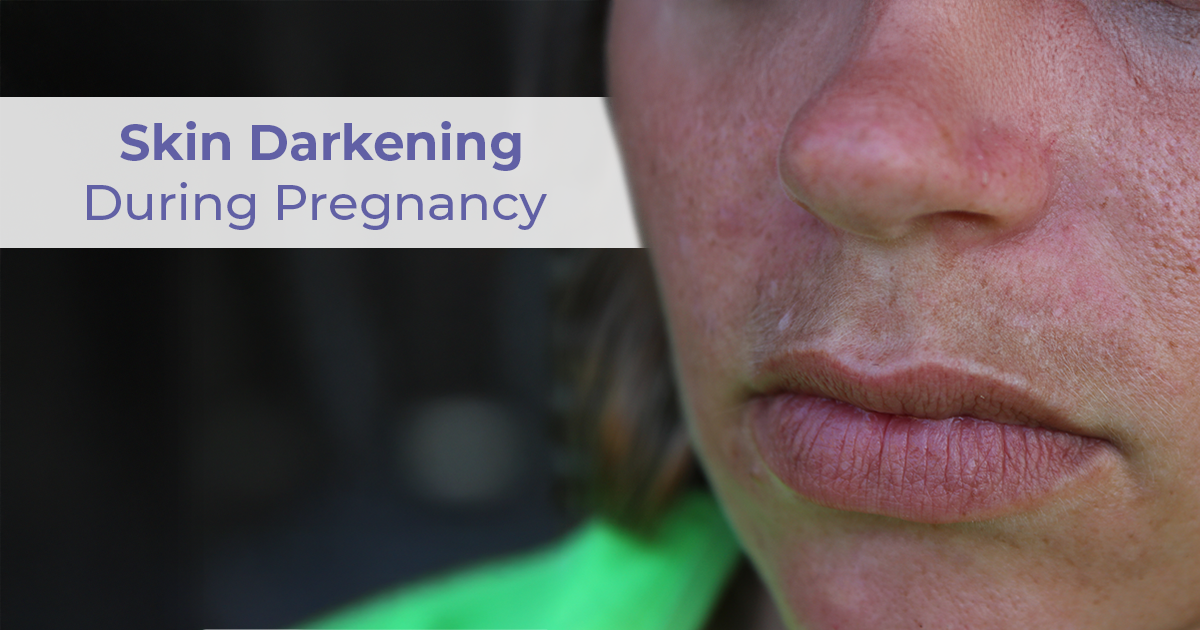
Pregnancy transforms your body in countless ways, including your skin. Those shadowy patches on your face, the faint but darkening stripe down your belly, the sudden deeper hue around your nipples - they’re all typical. Skin darkening happens to nearly every expectant mother at some point.
Read on further to understand everything about skin darkening during pregnancy.

Key Takeaways
|
When Does Skin Discolouration Start During Pregnancy?
Skin discolouration mostly appears during the second trimester of pregnancy. Around 85 to 90% of pregnant women may experience hyperpigmentation during the second half of pregnancy. 1
The dark vertical line on your belly, called linea nigra, mostly becomes visible around 20 weeks of pregnancy. 2 From the 24th week of gestation, some women may notice visible skin darkening. 3 Melasma, often called the "mask of pregnancy," mostly appears during the second or third trimester as hormone levels rise. 4
Is It Normal to Have Skin Darkening During Pregnancy?
Yes, skin darkening during pregnancy is completely normal and quite common. Many women experience mild to moderate hyperpigmentation, which is usually more noticeable in women with darker skin tones. 5
This condition is harmless to both your baby and you. While some women may be concerned with their melasma from a cosmetic standpoint, it is generally considered a mild clinical condition. 6 It's just a visible sign of the hormonal changes your body is experiencing. 6
What Causes Melasma During Pregnancy?
Melasma during pregnancy can be caused by a mix of hormonal changes, sun exposure, and genetics. 6
During pregnancy, levels of estrogen, progesterone, and melanocyte-stimulating hormone increase. These hormones stimulate melanocytes, the cells responsible for producing melanin, to make more pigment. This can cause darker patches to appear on your skin.4
Common Areas Affected
-
Face (Melasma / Pregnancy Mask)
Melasma affects around 70% of pregnant women. These typically appear as irregular, sharply defined brownish patches on the face. 1 The most commonly affected areas are the cheeks, forehead, upper lip, and chin. 1
-
Inner Thighs
Hyperpigmentation in the inner thighs increases during pregnancy because of hormonal shifts, primarily estrogen and progesterone, which stimulate melanin production. This, combined with existing friction from skin-to-skin rubbing, can lead to further darkening of the area.7, 1
-
Areolas
The areolas and nipples are impacted the most with pigmentation, with darkening starting from the first trimester of pregnancy. 8
-
Belly Line (Linea Nigra)
Linea nigra is a hyperpigmented line found on the abdomen in pregnant women. It usually surfaces during the second trimester. 8 It runs vertically from the pubic bone to the belly button, though sometimes, it may extend all the way up to the chest. 8
How Can I Prevent Melasma From Getting Worse During Pregnancy?
Photoprotection is the most important and effective measure to prevent melasma from worsening during pregnancy. 6 Here's what you can do:
- Use Sunscreen Daily: Using a broad-spectrum sunscreen with SPF 50+ from the first trimester can decrease the incidence of melasma during pregnancy by more than 90%. 6
- Wear Protective Clothing: Photoprotection includes avoiding sun exposure, seeking shade, and using hats, sunglasses, and sun-protective clothing. 6
- Avoid Peak Sun Hours: Try to stay out of the sun during peak radiation times. 6
Will I Still Have Melasma After My Pregnancy?
Melasma during pregnancy is quite temporary. Most skin darkening typically starts reversing within a year after delivery. 6 However, it's important to know that up to 30% of cases may persist even after 10 years.6 Linea nigra usually lightens postpartum as hormonal levels return to normal, though the pigmentation may fade gradually over several weeks or months. 2
Are Darkened Spots on Skin During Pregnancy Ever a Sign of Illness?
Darkened spots during pregnancy are harmless and often not a sign of any illness. Skin darkening is a normal physiological change associated with pregnancy. 6
However, there are a few situations where you should consult your doctor. Some studies suggest mild abnormalities in thyroid function are associated with melasma, specifically pregnancy-related melasma. 4 If you have concerns about thyroid issues, your doctor may recommend thyroid function tests.
When Can I Expect My Skin to Go Back to Normal?
Most skin darkening begins to fade a few months to a year after delivery. Linea nigra typically fades over several weeks or months following childbirth. 2 The fading process is gradual, and reducing your sun exposure can help speed up the process.
When Should I See a Doctor About Pigmentation?
While skin darkening during pregnancy is normal, you should consult your doctor if you are really concerned about your skin darkening. Additionally, consult your doctor if you notice any changes in the size, shape, or colour of moles or freckles, or the appearance of new moles. Any mole changes that would be concerning for skin cancer should be evaluated promptly. 9
Conclusion
Skin darkening during pregnancy is a common phenomenon that affects most pregnant women. While it may concern some women from a cosmetic point of view, it is usually harmless and temporary. By protecting your skin from harmful UV rays of the sun and harsh sun exposure, you can minimise the severity of these skin changes.
After the delivery, once your hormones return to normal levels, most of the skin darkening begins to fade. If pigmentation concerns persist or you’re looking for gentle care during pregnancy, AreoVeda's Skin Brightening Serum is a suitable option. Formulated for new moms and ideal even during pregnancy, this skin brightening serum contains natural ingredients like Bakuchiol that help in reducing the appearance of dark spots & hyperpigmentation within 28 days.
Remember, every pregnancy is unique, and your skin changes are just a reminder of the amazing transformation your body is undergoing to nurture a new life. With the right products, you can minimise the appearance of dark spots and feel confident in your skin again!
FAQs
Q1) Is skin darkening during pregnancy normal?
Yes, skin darkening during pregnancy is completely normal and can affect 85–90% of pregnant women. It occurs due to hormonal changes that stimulate increased melanin production.
Q2) When does skin darkening start during pregnancy?
Skin darkening typically starts during the second trimester, around 24 weeks of pregnancy, though some women may notice changes earlier.
Q3) Does skin darkening go away after pregnancy?
Most skin darkening fades gradually within a few months to a year after delivery, though up to 30% of melasma cases may persist longer.
Q4) Can skin darkening be prevented during pregnancy?
While skin darkening cannot be completely prevented, using sunscreen daily, wearing protective clothing, and avoiding peak sun hours can help minimise its severity.