

AI-Powered Key Takeaways
 ChatGPT
  Perplexity
  Claude
  Grok
Grok  Google AI
 “Itching” may sound like a small concern, but did you know that nearly one in four pregnant women experience it at some point during pregnancy.1 There are several reasons behind itching during pregnancy. In most cases, it is linked to normal changes such as stretching skin and hormonal shifts. However, at times, persistent or severe itching can become uncomfortable and may even signal an underlying condition, including certain liver issues.
But dear mom-to-be, there’s no need to worry. The good news is that there are safe and effective ways to manage itching during pregnancy. In this blog, let’s unravel all about the causes of itching during pregnancy in detail, and effective tips to manage the same!
Key Takeaways
|
What Causes Itching During Pregnancy?
1. Hormonal Changes and Skin Sensitivity
Pregnancy causes major shifts in hormones like estrogen and progesterone. These changes can make your skin more sensitive and prone to itching even without a rash. Hormones can also affect how the skin retains moisture, contributing to dryness and irritation. 1
2. Stretching Skin
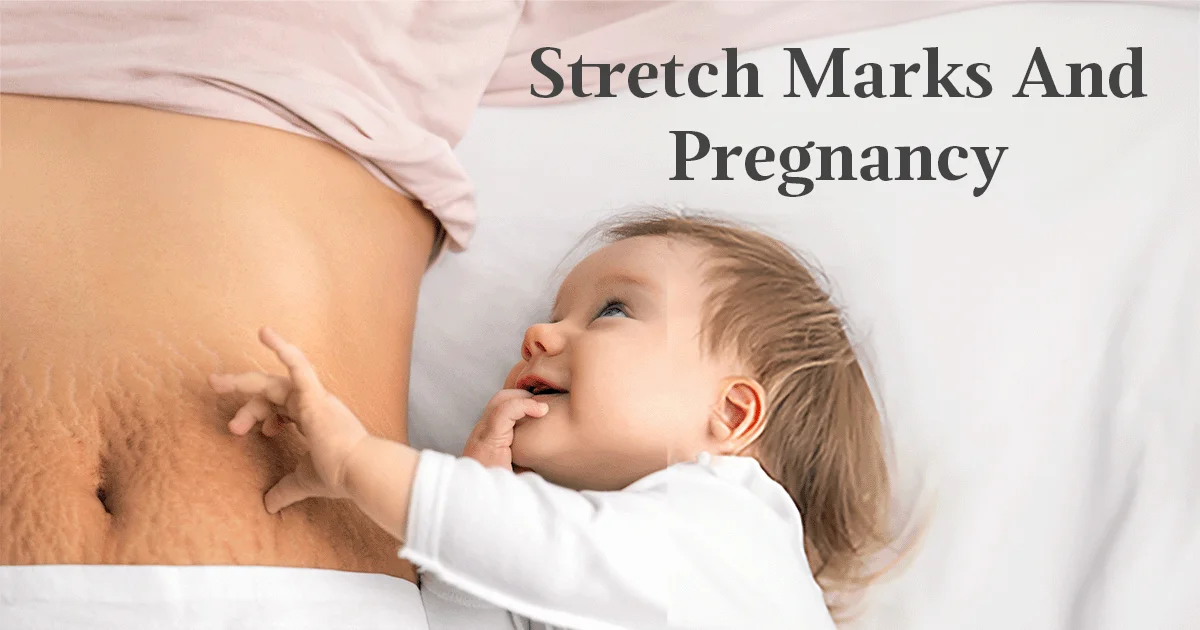
As your bump grows, the skin on your abdomen stretches. This stretching can disrupt the skin’s natural barrier, leading to dryness, tiny cracks, and itchiness, especially in the later months of pregnancy. 2
Symptoms You Shouldn’t Ignore
Here are the condition-wise symptoms you should watch for during pregnancy-related itching:
Polymorphic eruption of pregnancy
- Itchy red bumps on the belly, often in stretch marks
- May spread to thighs or arms
- Belly button area
Atopic eruption of pregnancy
- Severe itching with no rash
- Worse at night
- Affects palms and soles
Intrahepatic Cholestasis of Pregnancy (ICP)
- Severe itching with no rash
- Worse at night
- Affects palms and sole
Pregnancy-Specific Skin Conditions
Some conditions unique to pregnancy can also cause itching like:
Polymorphic eruption of pregnancy (PEP), also known as PUPPP, is the most common cause of an itchy rash in pregnancy. It usually appears in the third trimester on the abdomen and can spread to the thighs and buttocks. The exact cause is unclear but is thought to relate to skin stretching and immune changes. It is benign and typically resolves after birth. 2
Treatment:
Treatment focuses on relieving discomfort. Doctors commonly recommend topical corticosteroids and antihistamines. In severe cases, a short course of systemic steroids may be prescribed to control itching.
Fetal Risk:
PEP is a benign condition with no risk to the baby. Symptoms typically improve and resolve after delivery.
Atopic eruption of pregnancy (AEP) includes eczema and prurigo of pregnancy, triggered by immune changes and existing skin sensitivity. It tends to appear earlier and can be very itchy but doesn’t pose risks to the baby. 2
Treatment:
Management is mainly supportive, using moisturizers (emollients), topical corticosteroids, and antihistamines. In more persistent cases, UVB therapy may be considered.
Fetal Risk:
AEP does not pose any risk to the baby, and symptoms generally improve after childbirth.
Intrahepatic Cholestasis of Pregnancy (ICP)
Intrahepatic cholestasis of pregnancy (ICP) is a liver disease that can cause some itching. This is not just skin dryness; ICP causes bile acids to build up in the blood and deposit in the skin, leading to intense itching often without a rash, especially on the palms and soles. It typically develops in the third trimester and needs prompt medical attention because it may affect fetal health.2
Treatment:
ICP is treated with ursodeoxycholic acid, which helps lower bile acid levels and reduce itching. Ongoing care includes regular blood tests and close obstetric monitoring, and delivery may be planned earlier if needed.
Fetal Risk:
ICP is associated with a higher risk of prematurity, fetal distress, and stillbirth, especially if not managed promptly. Early diagnosis and careful monitoring significantly reduce these risks.
8 Tips to Ease Itching During Pregnancy
Simple lifestyle and skincare changes can help soothe your skin and make day-to-day pregnancy more comfortable.1
- Itchy skin during pregnancy can feel uncomfortable and sometimes distressing, but it is very common.
- Wear loose-fitting clothes made from natural fibers like cotton to reduce friction and allow your skin to breathe.
- Use a simple, fragrance-free moisturizer regularly to help soothe dry, itchy skin.
- Taking short, cool baths or showers may help calm irritation and provide temporary relief.
- Aqueous cream and calamine lotion are generally safe to use during pregnancy and can help relieve itching.
- Pregnancy-safe antihistamines may be used if recommended by a healthcare professional, especially if itching affects sleep.
- In most cases, itching is not a cause for concern.
- Always inform your doctor or midwife if itching becomes severe, persistent, or unusual, as it can sometimes signal an underlying condition.
Conclusion:
Itching during pregnancy is more common than many moms-to-be realize, and in most cases, it’s simply a result of normal changes like skin stretching and hormonal shifts. With the right skincare routine, gentle lifestyle adjustments, and timely guidance from your healthcare provider, this discomfort can usually be managed safely and effectively.
However, it’s equally important to listen to your body. Persistent, severe, or unusual itching especially without a rash or involving the palms and soles, should never be ignored, as it may point to conditions that need medical attention. The key takeaway, dear mom-to-be, is balance: stay informed, care for your skin gently, and don’t hesitate to seek medical advice when something does not feel right
Frequently Ask Questions:
1. Is itching during pregnancy normal?
Yes, itching during pregnancy is very common and affects nearly one in four pregnant women. In most cases, it happens due to normal changes like hormonal shifts and skin stretching.
2. Why does my skin itch more during pregnancy?
Pregnancy hormones can make the skin more sensitive and dry. As your baby grows, the skin stretches, especially over the belly, which can disrupt the skin barrier and lead to itching.
3. What is PUPPP or polymorphic eruption of pregnancy (PEP)?
PEP (also called PUPPP) is a common pregnancy-related skin condition that causes itchy, red bumps, usually starting on the belly in stretch marks. It often appears in the third trimester and is harmless to the baby.


.webp)