

Let’s talk about one of the most exciting moments in life…finding out that you’re pregnant. But soon after? You start questioning your every move. What should I be eating? Is drinking coffee okay? Do I really need to give up sushi?
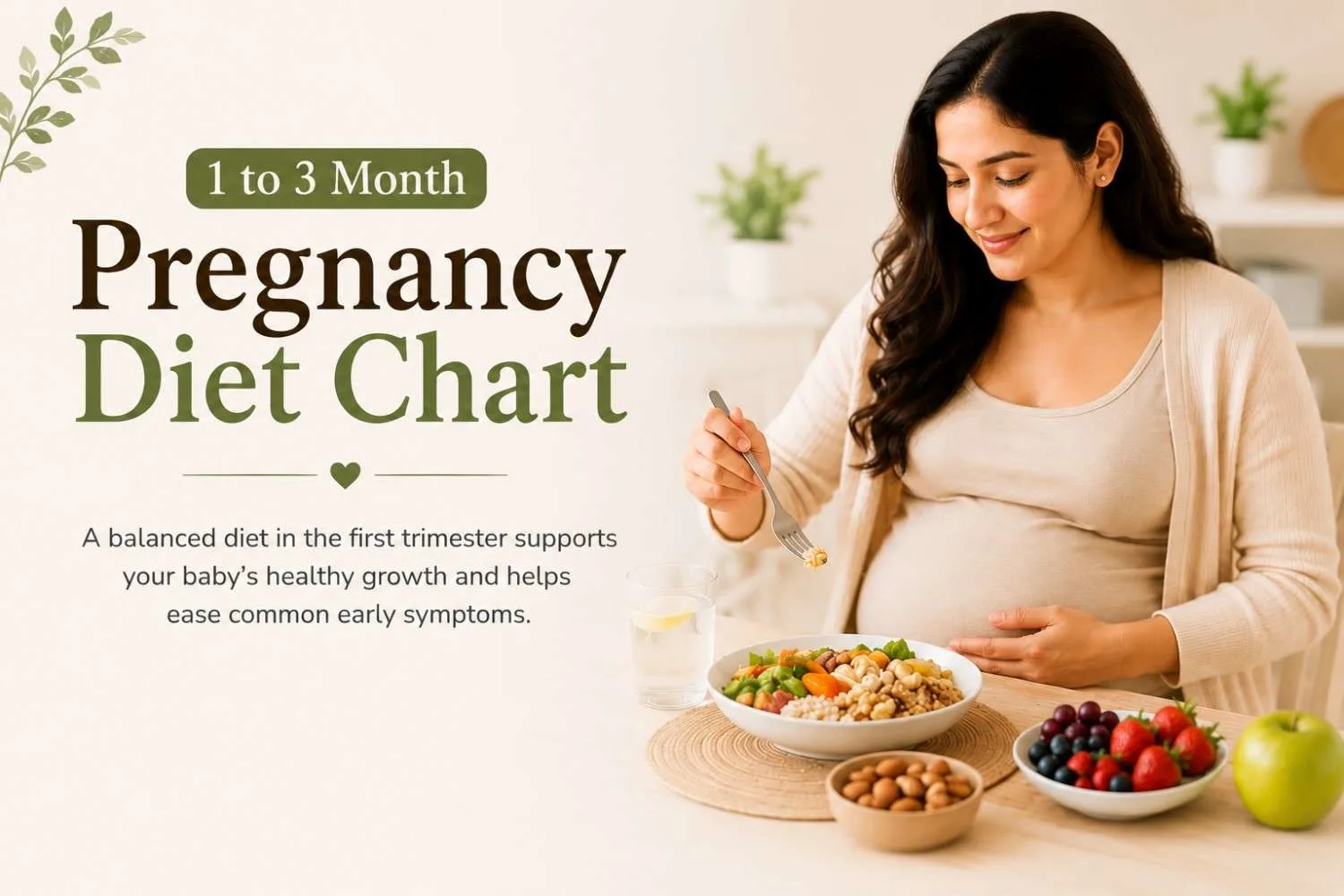
And these are valid concerns. That’s because the first trimester (i.e., week 1 to week 12) is the most critical stretch of your entire pregnancy. It is during this time that your baby's brain, spinal cord, heart, and major organs begin to form from scratch.1 And the building blocks for these come directly through the nutrients present in your body.
In this blog, we’ll talk about the importance of a healthy diet during the 1st trimester. And we’ll also give you some dietary options to make meal planning simpler. So read through!
Key Takeaways
|
Why a Balanced Diet Is Important in Early Pregnancy
By week 4 of pregnancy, most women don’t even know that they’re pregnant.
However, around this time, your baby’s neural tube (which will later become their brain and spinal cord) has already begun to form. By week 8, the heart is beating. And by week 12, all major organ systems are present in some form.1
This is why poor nutrition in the first trimester is associated with a higher risk of birth defects, low birth weight, preterm delivery, and developmental issues later in children.2
Additionally, your blood volume begins to increase almost as soon as you conceive (ultimately going up by about 45% over the course of pregnancy).3 This means your body's demand for iron, calcium, protein, and many vitamins rises sharply in the early pregnancy itself. And a balanced diet helps you meet these increased needs without stressing out your body.
Furthermore, what you eat in the first trimester shapes your baby's long-term health, not just their development in the womb. Research has shown cognitive benefits in children born to mothers who had higher intakes of key nutrients (particularly folate, choline, and omega-3 DHA) during pregnancy.4
Essential Nutrients and Their Sources to Focus on in the First Trimester
Let’s take a look at some of the essential nutrients to incorporate into your 1st trimester diet:
1. Folic Acid (Folate)
This is the non-negotiable nutrient of early pregnancy. The CDC recommends 400 mcg of folic acid before pregnancy and 400 mcg daily during pregnancy. Adequate folic acid during this window can prevent 50% or more of neural tube defects such as spina bifida and anencephaly.
Folate-rich food sources include dark leafy greens (spinach, kale), lentils, chickpeas, black beans, fortified cereals, asparagus, avocado, and broccoli.5
2. Iron
Pregnant women need 27 mg of iron per day (nearly double the usual recommendation). Iron supports the dramatic increase in blood volume and ensures enough oxygen reaches your baby through the placenta. Iron-deficiency anemia is one of the most common pregnancy complications and has been linked to preterm birth and low birth weight.6
To fulfill your iron needs, try including food items like lean red meat, chicken, turkey, lentils, fortified cereals, tofu, pumpkin seeds, and spinach in your diet.6
3. Calcium
You need 1,000 mg of calcium per day during pregnancy. If your diet does not provide enough, your body will pull calcium from your bones to meet your baby's needs, which isn’t ideal for your long-term bone health. Calcium is also critical for your baby's developing skeletal structure, teeth, heart, and nerves.7
For the same, dairy (milk, yogurt, cheese), fortified plant milks, almonds, bok choy, white beans, and canned salmon with bones.
4. Omega-3 DHA
DHA (docosahexaenoic acid) is an omega-3 fatty acid that plays a pivotal role in fetal brain development and eye formation. Experts recommend taking at least 200 mg of DHA daily during pregnancy.8
Low-mercury fatty fish are the richest dietary source. Other food sources include salmon, sardines, trout, herring (all low-mercury options), DHA-fortified eggs, walnuts, and chia seeds
5. Choline
Choline (a lesser-known but extremely crucial nutrient) is important for your baby’s neural tube development and brain health. The recommended intake during pregnancy is 450 mg per day. Choline works alongside folate and B vitamins to shape how your baby's genes are expressed.
Choline-rich food sources include eggs (especially the yolk), beef liver, beef, chicken breast, soy, Atlantic cod, dairy.7
6. Iodine
Iodine is essential for thyroid hormone production, which directly controls your baby's brain development and metabolic regulation. The recommended intake is 220 mcg per day during pregnancy.7 9
You can get most of your iodine from food sources like iodized salt, dairy, seafood, and eggs.
7. Vitamin D
Vitamin D supports calcium absorption, immune function, and your baby's bone development. The recommended daily intake during pregnancy is 600 IU, though your doctor may recommend higher amounts based on your individual blood levels.10
While sunlight is the main source of vitamin D, certain beneficial food sources include salmon, egg yolks, and mushrooms exposed to sunlight
8. Protein
Protein is the structural building block for your baby's cells and tissues. Pregnant women need at least 60 grams of protein per day, depending on their weight. Protein also helps stabilize blood sugar and manage nausea in the first trimester.11 12
High protein food sources are eggs, chicken, fish, legumes, Greek yogurt, tofu, cottage cheese, nuts, and seeds.
Foods to Avoid in the First Trimester
Here is a list of food items to avoid eating in the 1st trimester of your pregnancy:13 14
1. High-Mercury Fish
Mercury accumulates in larger, longer-lived fish. Even small amounts of methylmercury can interfere with your baby's developing nervous system and kidneys.
2. Raw or Undercooked Meat, Poultry, and Seafood
Raw and undercooked meats can carry Listeria, Salmonella, and Toxoplasma, all of which can cause serious harm to a developing baby. The CDC recommends cooking meat to an internal temperature of at least 165°F (74°C). So sushi, raw oysters, clams, and rare steak are off the menu until after you have given birth.15
3. Unpasteurized Dairy and Soft Cheeses
Soft cheeses like brie, camembert, feta, and queso fresco made from unpasteurized milk can harbor Listeria, which is particularly dangerous during pregnancy as it can cross the placenta. So always check labels and opt for cheeses made from pasteurized milk only.
4. Alcohol
There is no established safe level of alcohol during pregnancy. Alcohol crosses the placenta freely and can disrupt fetal brain development at any stage, but especially during the first trimester when the brain is forming most rapidly.
5. Excess Caffeine
Higher caffeine intake has been associated in some studies with an increased risk of miscarriage, premature birth, and low birth weight. Remember that caffeine is also present in tea, chocolate, soft drinks, and energy drinks.
6. Raw Sprouts
Certain sprouts can harbor Salmonella and E. coli even after washing. Therefore, you must cook sprouts thoroughly before eating.
Tips for a Healthy First Trimester Diet
Here are a few tips for a healthy 1st trimester diet for moms-to-be:
- Start a prenatal vitamin (like folic acid) ideally before conception.16
- Eat every 1 to 2 hours if nausea is severe. An empty stomach tends to make nausea worse. Keep plain crackers or nuts on your nightstand.17
- Do not drink coffee with your meals. Tannins in coffee and tea can reduce iron absorption by up to 60%.18
- Stay hydrated. Aim for at least 8 to 10 cups of water daily. If plain water is unappealing, try lemon water, coconut water, or herbal teas like ginger and peppermint.19
Also, it’s important to talk to your doctor before taking any supplement. While Iron, vitamin D, and DHA are commonly recommended, the right dose depends on your blood levels and health history.
Conclusion
Eating well in the first trimester is one of the most impactful things you can do for your baby and for yourself. Focus on getting your major nutrients (folic acid, iron, DHA, and choline). Build your meals around whole, minimally processed foods. Avoid the items listed in the risk zone. Drink enough water and do not forget to take your prenatal vitamins as recommended by your doctor.
Note: When in doubt, consult your OB-GYN or a registered dietitian to get a personalised diet plan tailored to your exact pregnancy needs.