

Hey parents, noticing tiny red bumps or irritated patches on your baby’s skin and wondering what caused them? It can feel especially concerning during hot summer days when babies tend to sweat more easily. Since a baby’s skin is delicate and their sweat glands are still developing, heat and humidity can quickly lead to trapped sweat and skin irritation, commonly known as heat rash.
The good news is that heat rash in babies is usually harmless and manageable with the right care. In this blog, let’s understand everything about baby heat rash in detail, including its causes, symptoms, types, treatment tips, prevention methods, and how to differentiate it from other common baby rashes.
Key Takeaways
|
What Is Heat Rash in Babies?
Heat rash, commonly known as prickly heat or miliaria, is a common skin irritation produced by sweat becoming trapped beneath the skin. It frequently appears as little red lumps and can be irritating or painful, particularly in hot and humid circumstances. While heat rash is typically harmless and resolves on its own after a few days, keeping the skin cold and dry can help relieve the irritation faster. 1
What Causes Heat Rash in Babies?
Heat rash occurs when sweat remains trapped beneath the skin rather than dissipating naturally. perspiration glands typically create and distribute perspiration through tiny channels known as sweat ducts. Sweating then permeates the skin's pores and evaporates to assist in cooling the body.
However, when these sweat ducts become blocked, sweat is unable to leave correctly. Instead, it becomes trapped beneath the skin, causing irritation and inflammation in the outer layers of the skin. This causes little red pimples, itching, and the unpleasant prickly sensation typically associated with heat rash.
Several reasons can cause blocked sweat ducts. Excessive sweating, particularly in hot and humid weather, can cause sweat to accumulate between the skin and clothing. At the same time, dead skin cells can gather and plug pores or sweat ducts, making it even more difficult for perspiration to exit. 1
What Does Heat Rash Look Like in Babies?
Heat rash typically manifests as clusters of tiny bumps on the skin that resemble little pimples or blisters. These bumps are often quite small, measuring between 1 and 3 mm in size. The rash is usually red or pink on lighter skin tones, although it can also appear greyish or white on darker skin tones. The most frequent type of heat rash is miliaria rubra, which is characterized by itching, irritation, or a prickly sensation.1
Heat rash can manifest as tiny transparent or fluid-filled pimples that resemble small drops of water on the skin. This variety, known as miliaria crystallina, is more typically observed in newborns, but adults can also get it. It is a milder form of heat rash that rarely causes substantial discomfort or irritation.
Types of Heat Rash in Babies
Understanding the different types of baby heat rash can help parents identify symptoms early and manage them properly.2
1. Miliaria Crystallina
Miliaria crystallina is the mildest form of heat rash in babies and is especially common in newborns. It occurs when sweat gets trapped very close to the surface of the skin because the sweat pores become blocked.2
2. Miliaria Rubra (Prickly Heat)
Miliaria rubra, also known as prickly heat, is the most common type of heat rash in babies. It develops when sweat becomes trapped deeper within the skin layers, leading to irritation and inflammation.2
3. Miliaria Pustulosa
Miliaria pustulosa is a more inflamed form of prickly heat. In this condition, the bumps become filled with pus due to increased irritation or inflammation in the skin.2
4. Miliaria Profunda
Miliaria profunda is a rare and deeper form of heat rash that affects the lower layers of the skin. It is more likely to occur after repeated episodes of heat rash or excessive sweating.2
Symptoms of Heat Rash in Babies
Heat rash can cause your baby's skin to feel like:
- Itchy
- Prickly
- irritated
- Warm
- burning
These feelings can cause babies to become uncomfortable and fussy, particularly in hot and humid weather. Avoid scratching or rubbing the rash because it might irritate the skin and raise the risk of infections.1
How to Manage Heat Rash in Babies?
In most cases, heat rash in babies can be managed easily at home with simple cooling and skincare measures. Acting early can help soothe irritation and prevent the rash from worsening.
Here are some helpful ways to care for baby heat rash:1
- Move your baby to a cool, well-ventilated, or air-conditioned room
- Remove extra layers of clothing to allow the skin to breathe
- Dress your baby in soft, loose cotton clothing
- Gently cleanse the affected area with cool or lukewarm water
- Pat the skin dry instead of rubbing it
- Keep sweaty areas clean and dry, especially skin folds
- Apply a cool, damp washcloth to calm itching and irritation
- Avoid thick creams or heavy ointments that may trap more sweat
Heat Rash vs Other Baby Rashes
Baby rashes can often look similar, making it difficult for parents to identify the exact cause. Understanding the differences can help parents choose the right care for their baby’s skin.3
|
Baby Rash |
Appearance |
Common Areas |
Main Cause |
|
Heat Rash |
Tiny red or clear bumps |
Neck, chest, back, skin folds |
Trapped sweat and overheating |
|
Eczema |
Dry, rough, itchy patches |
Cheeks, elbows, knees |
Skin barrier irritation and dryness |
|
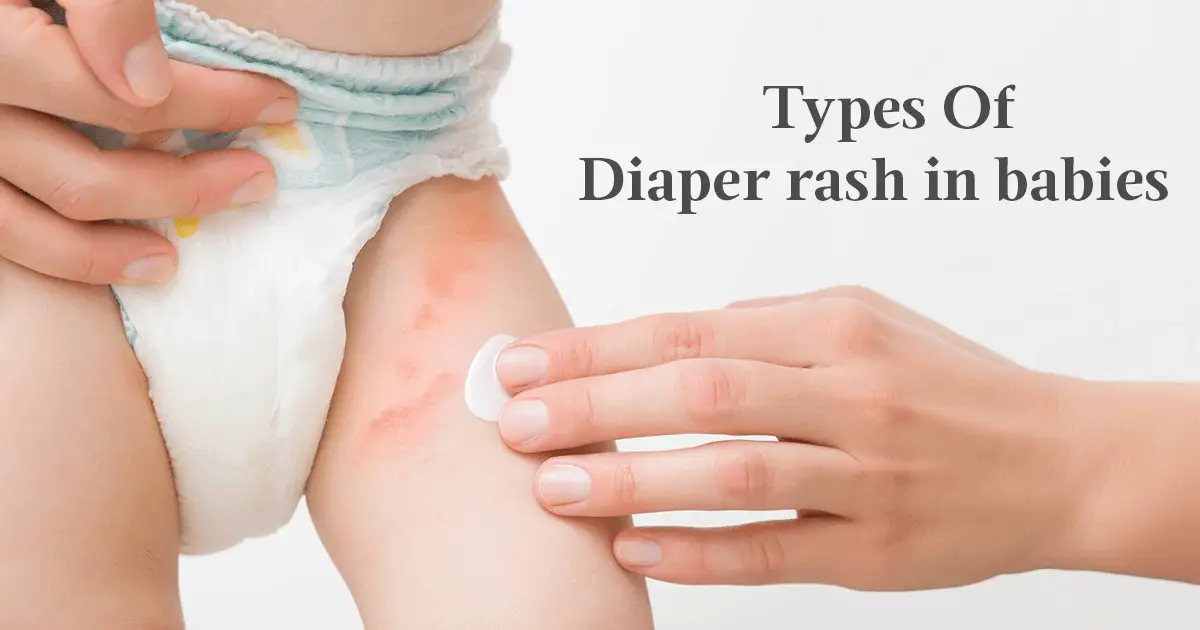
Diaper Rash |
Red inflamed skin |
Diaper area |
Moisture, friction, prolonged diaper use |
|
Baby Acne |
Small pimples or white bumps |
Face and cheeks |
Hormonal changes |
|
Cradle Cap |
Yellow, flaky, greasy scales |
Scalp and eyebrows |
Oil build-up on the scalp |
|
Allergic Rash |
Red patches or hives |
Anywhere on the body |
Allergens or skin irritants |
Best Skincare Tips for Babies During Summer
- Use gentle, soap-free cleansers to protect your baby’s delicate skin barrier
- Choose fragrance-free skincare products to reduce the risk of irritation
- Avoid bubble baths and harsh soaps that can dry out baby skin
- Apply a thick moisturiser daily if your baby’s skin feels dry
- Prefer creams over lightweight lotions for better hydration
- Keep the diaper area clean and dry to help prevent rashes
- Change diapers frequently, especially during hot weather4
Frequently Asked Questions About Heat Rash in Babies
1. What does heat rash look like in babies?
Heat rash usually appears as tiny red, pink, or clear bumps on a baby’s skin. It commonly develops in areas where sweat gets trapped, such as the neck folds, chest, back, armpits, and diaper area.
2. What causes heat rash in babies?
Heat rash develops when sweat ducts become blocked, trapping sweat beneath the skin. Hot weather, humidity, overdressing, and tight clothing can increase the chances of developing heat rash.
3. Is heat rash harmful for babies?
In most cases, heat rash is harmless and usually clears within a few days with proper cooling and gentle skincare. However, if the rash becomes severe, irritated, or shows signs of infection, medical attention may be needed.


.webp)