


Tired of dull, lifeless skin staring back at you in the mirror? You're not alone! But here's the truth: achieving that natural glow does not require expensive spa treatments or complicated skincare routines. The secret might just be sitting in your kitchen!
Yes, you read that right! A simple homemade face pack for glowing skin can work wonders for your dull, tired skin. The best part? These DIY face packs are free from harsh chemicals, easy on your wallet, and surprisingly simple to whip up. In this guide, we will explore some powerful DIY face packs that use everyday ingredients to give you that enviable glow. Read on!
Key Takeaways
|
What Does a Face Mask Do for Your Skin?
Face masks are more than just a relaxing self-care ritual. They sit on your skin for 15-20 minutes, which may allow active ingredients to work deeply. A good homemade face pack for glowing skin should perform multiple functions, which include:
- Remove dead skin cells
- Unclog pores
- Absorb excess oil
- Give you a healthy glow
Kitchen Ingredients for Homemade Face Masks to Brighten Skin
If you’re looking for a simple and natural way to bring back your skin’s glow, your kitchen has some surprisingly effective options. Here are a few commonly used ingredients you can try:2
- Yogurt
- Honey
- Gram Flour (Besan)
- Cucumber
- Lemon (in small amounts)
- Milk
Using these ingredients regularly in simple face masks can help support a fresh, radiant look.
How to Find Your Skin Type
Understanding your skin type is one of the most important steps in building the right skincare routine. Using products or face packs that do not suit your skin can lead to dryness, irritation, excess oiliness, or breakouts. The good news? You can easily identify your skin type at home with a simple observation test.
The Bare-Face Method
Start by washing your face with a gentle cleanser and patting it dry. Do not apply any skincare products afterwards. Leave your skin bare for about 30 minutes to 1 hour and observe how it feels.18
Here’s what different skin types usually look like:
Oily Skin
If your face appears shiny, greasy, or feels oily especially around the forehead, nose, and chin (T-zone) you likely have oily skin. People with oily skin may also experience enlarged pores and frequent acne breakouts.18
Dry Skin
If your skin feels tight, rough, flaky, or itchy after cleansing, you may have dry skin. Dry skin often lacks natural oils and may appear dull or dehydrated.18
Combination Skin
Combination skin has both oily and dry areas. Usually, the T-zone feels oily while the cheeks remain dry or normal. This is one of the most common skin types.18
Normal Skin
If your skin feels comfortable, balanced, and neither too oily nor too dry, you likely have normal skin. Normal skin typically has a smooth texture with minimal sensitivity or breakouts.18
Sensitive Skin
Sensitive skin may sting, burn, itch, or turn red easily after using skincare products or exposure to weather changes. This skin type requires gentle and soothing ingredients.
11 Effective & Easy Homemade Face Packs for Glowing Skin
Before we begin this list, here’s something you should know: Even natural ingredients can cause allergic reactions or irritation, especially if you have sensitive skin. Before trying any homemade face pack for glowing skin at home, always perform a patch test.
1. Besan Face Pack
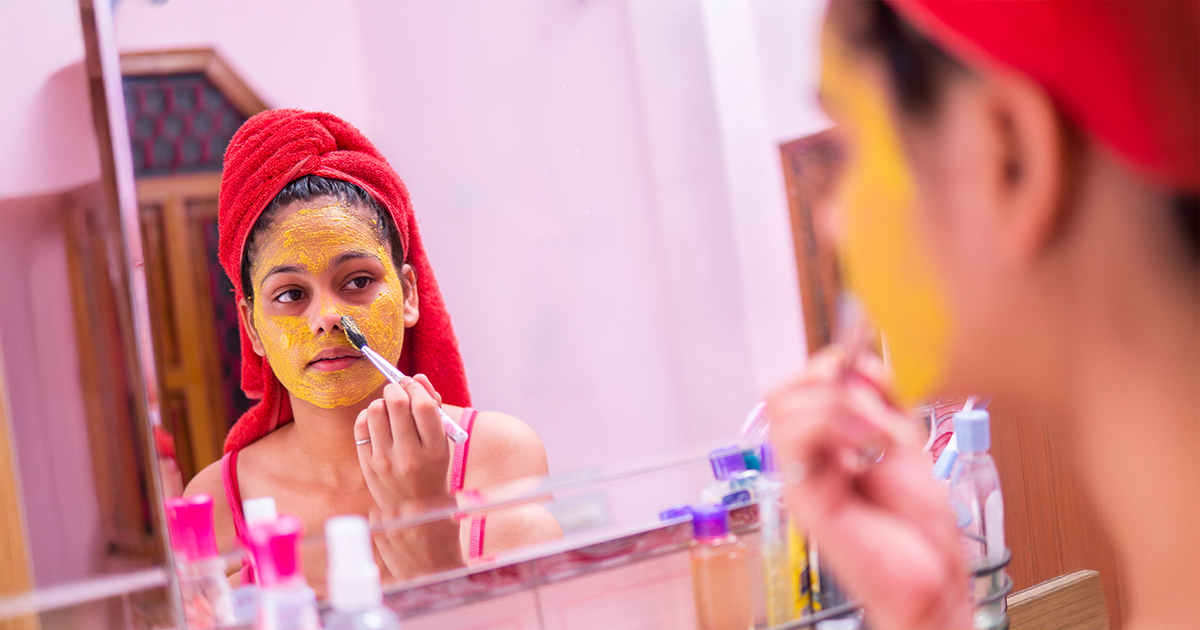
This face pack for glowing skin contains gram flour (besan). It contains natural exfoliating properties that gently remove dead skin cells, revealing fresher, brighter skin underneath. It also contains zinc, which helps control oil production and may prevent acne. 1
How to Use
- Mix 2 tablespoons of besan with enough water or rose water.
- Apply evenly, leave on for 15-20 minutes, and rinse.
2. Multani Mitti and Rose Water Face Pack
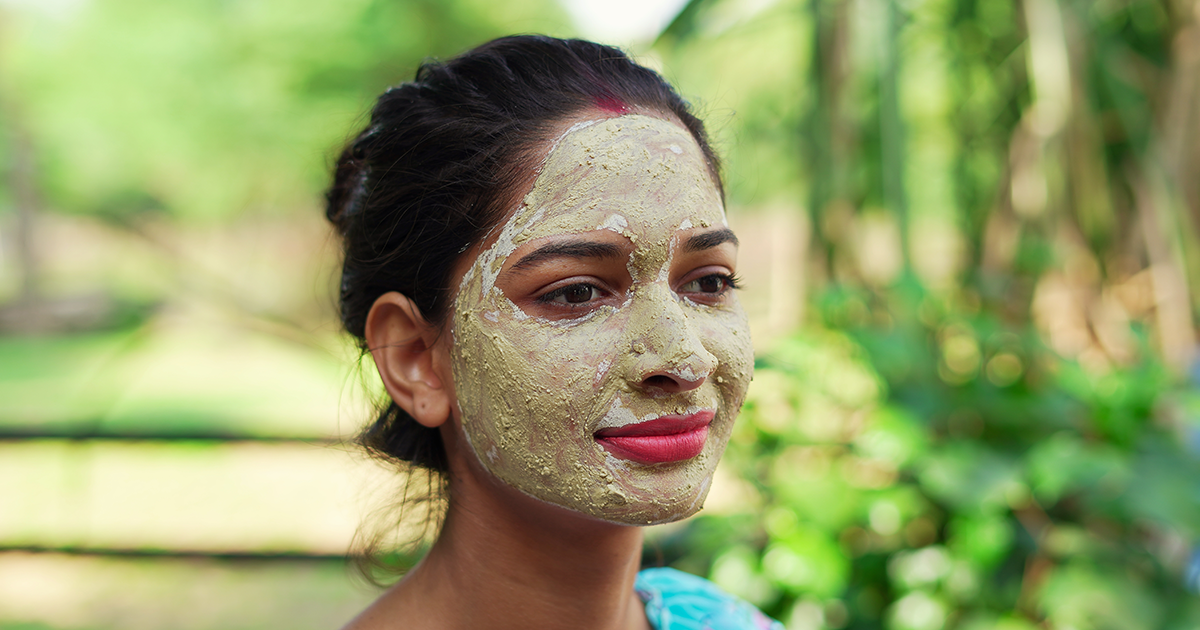
This multani mitti face pack for glowing skin is a must-try. It contains fuller's earth, also known as Multani mitti, which absorbs impurities and excess sebum to help prevent acne. This clay also helps improve blood circulation, which enhances the skin's natural glow. Rose water is hydrating and helps keep your skin supple and soft. 2
How to Use
- Mix 2 tablespoons of multani mitti with enough rose water.
- Apply evenly on your face, leave for 15-20 minutes, and wash off.
3. Aloe Vera Face Pack
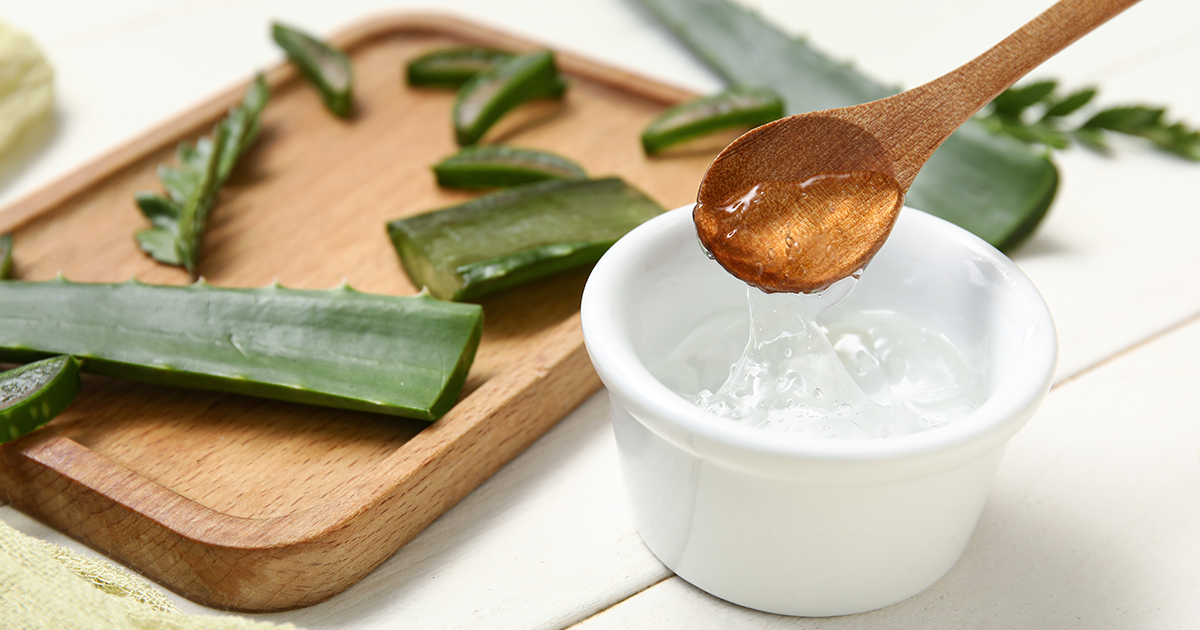
This face pack for glowing skin contains aloe vera, which is rich in vitamins C and E. They help boost collagen production and fight free radicals. Aloe also has anti-acne and anti-inflammatory properties that help manage pimples, redness, and irritation. 3
How to Use
- Extract fresh gel from an aloe leaf (or use pure store-bought gel).
- Apply a thick layer on your face and neck, leave on for 20-25 minutes, and rinse.
4. Coconut Oil Face Pack
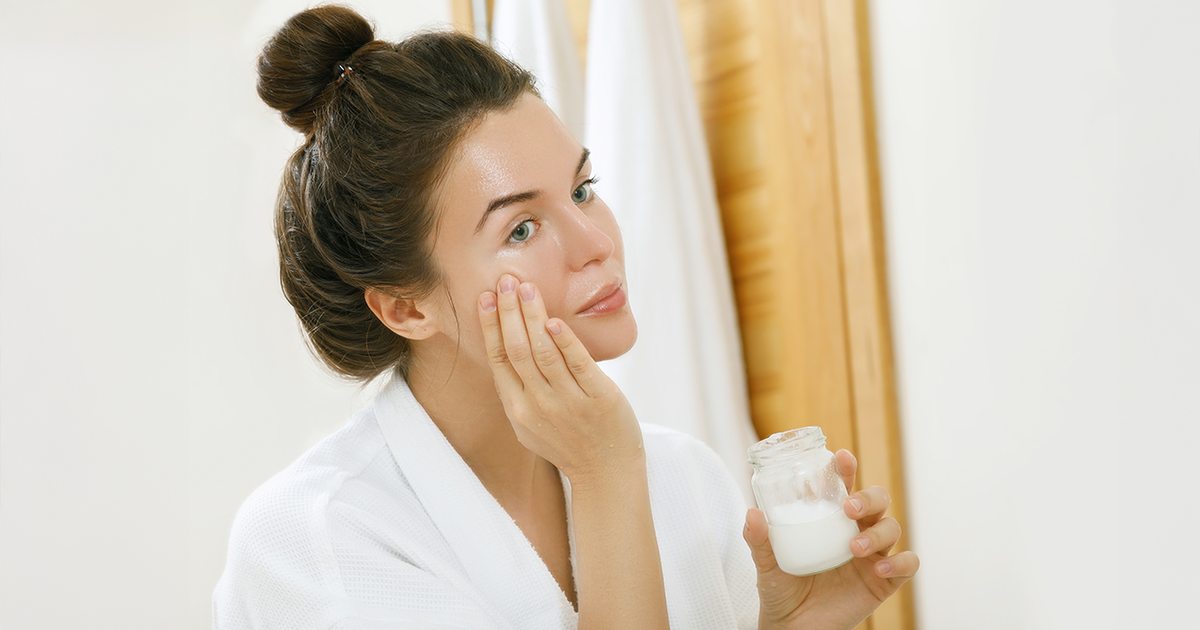
Coconut oil is rich in fatty acids that help lock in hydration and promote a youthful glow. This makes it beneficial for dry skin. However, avoid using coconut oil if you have acne-prone skin. This is because it can sometimes clog pores and cause acne. 4
How to Use
- Take 1 tablespoon of virgin coconut oil.
- Apply it all over your face, leave for 15-20 minutes, and wash off.
5. Banana Fruit Face Pack
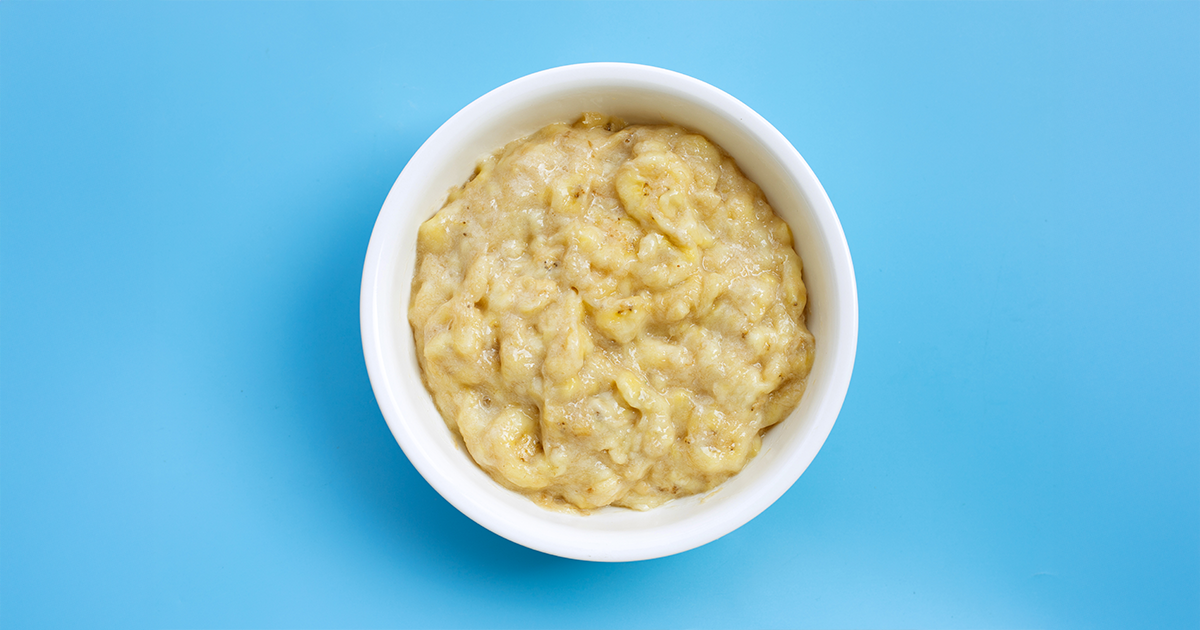
Banana has antioxidants, vitamins, and minerals that help nourish the skin. It also has moisturising and anti-inflammatory properties. These help keep your skin hydrated and irritation-free. Additionally, it has antimicrobial properties that may help prevent acne.
How to Use
- Mash half a ripe banana.
- Apply it all over your face, leave for 15-20 minutes, and wash off.
6. Besan, Turmeric, and Yoghurt Face Pack
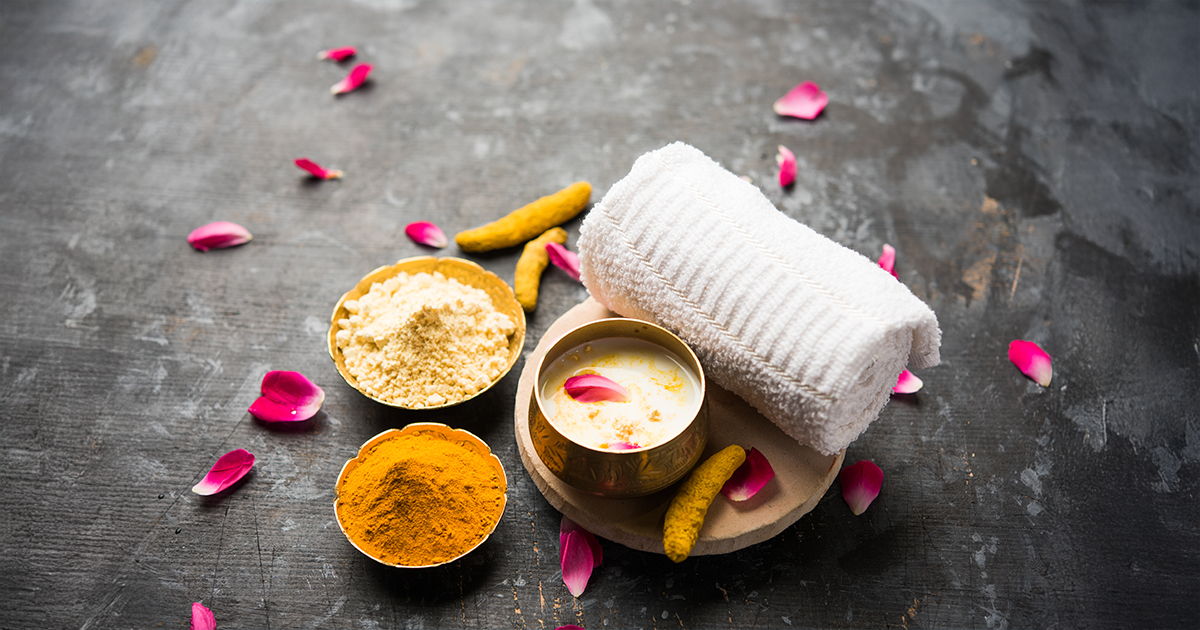
This is another besan face pack for glowing skin that also uses turmeric and yoghurt. Turmeric contains curcumin, a powerful antioxidant that helps fight inflammation and brightens the skin. Yoghurt has lactic acid that gently exfoliates and moisturises. Combined with besan's cleansing properties, this pack addresses dullness, uneven skin tone, and texture issues. 6 7 1
How to Use
- Mix 2 tablespoons of besan, a pinch of turmeric, and 2 tablespoons of yoghurt to form a smooth paste.
- Apply evenly on your face and neck, let it dry for 15-20 minutes, and rinse.
7. Oatmeal and Raw Milk Face Pack
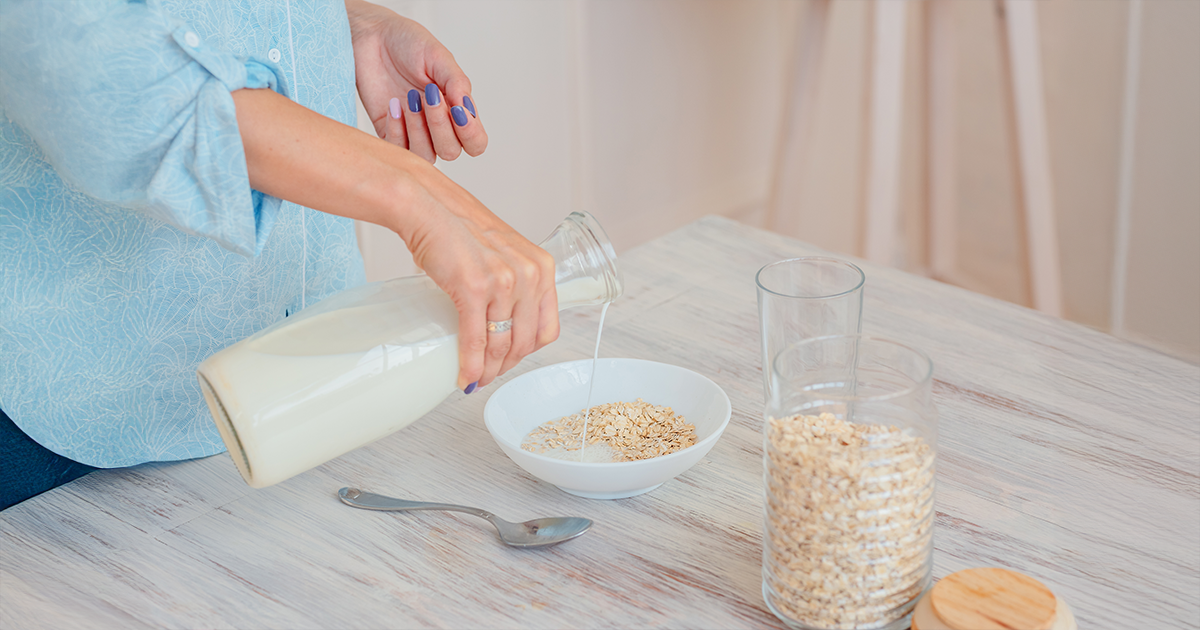
Oatmeal has anti-inflammatory properties. It helps soothe irritated skin and reduce inflammation. Raw milk contains lactic acid that helps with gentle exfoliation. Together, they create a face pack for glowing skin that is both effective and gentle. 8 9
How to Use
- Mix 2 tablespoons of oats with enough raw milk.
- Apply it all over your face, leave for 15-20 minutes, and rinse.
8. Sandalwood Powder and Milk Face Pack
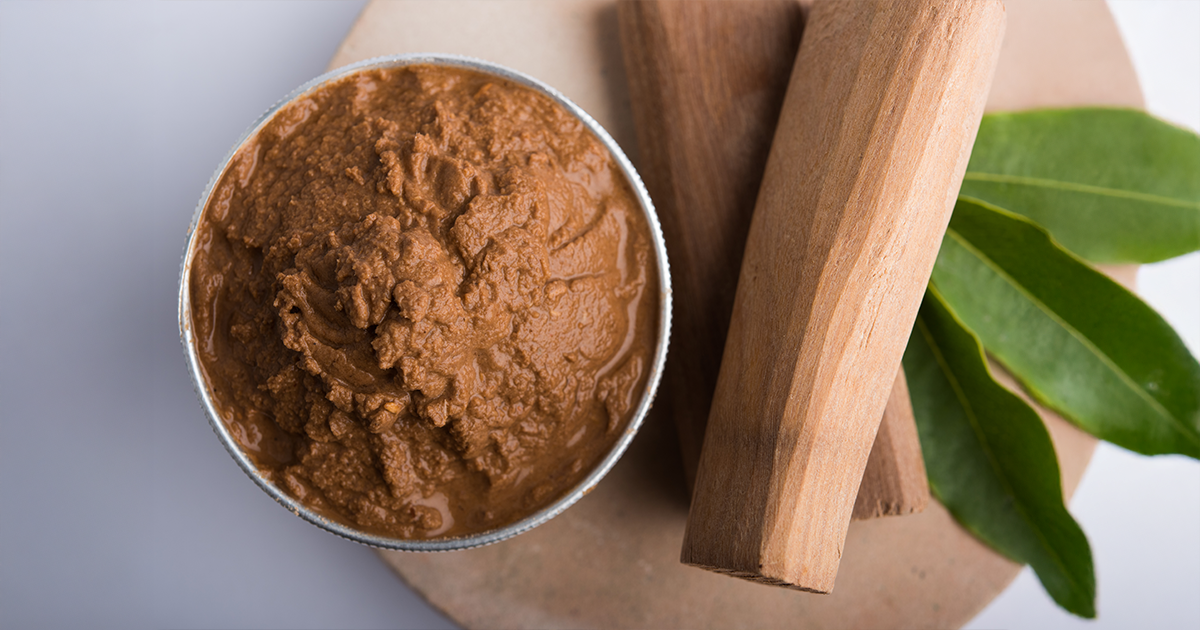
Sandalwood has antimicrobial and anti-inflammatory properties that help manage acne and reduce blemishes. It has a natural soothing effect that calms irritated skin. Milk contains lactic acid for gentle exfoliation. The combination of the two will help keep your skin clear and give you a natural glow. 10 9
How to Use
- Mix 1 tablespoon of sandalwood powder with 2 tablespoons of raw milk.
- Apply evenly, let it dry for 15-20 minutes, and wash off.
9. Besan, Haldi, and Cucumber Juice Face Pack
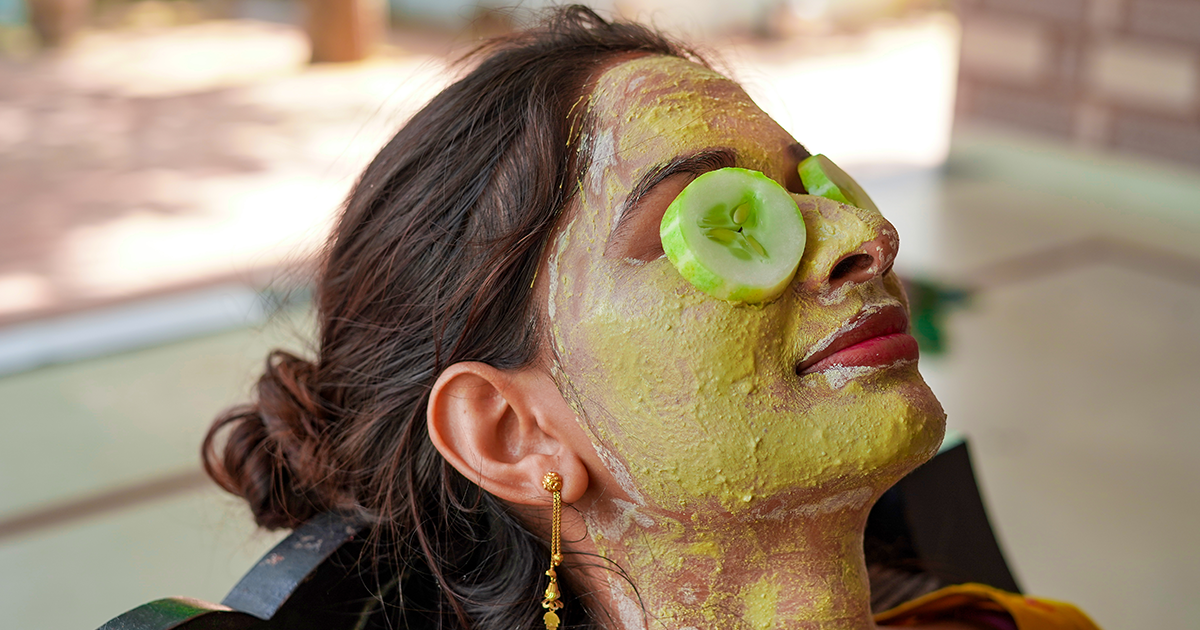
Cucumber juice provides intense hydration while reducing puffiness and under-eye bags. Combined with besan and haldi (turmeric), this pack brightens and refreshes tired skin. It also helps keep your skin pimples and acne-free. 11 6 1
How to Use
- Mix 2 tablespoons of besan, a pinch of turmeric, and enough cucumber juice to make a paste.
- Apply to your face, leave for 15-20 minutes, and rinse.
10. Rice Flour and Yoghurt Face Pack
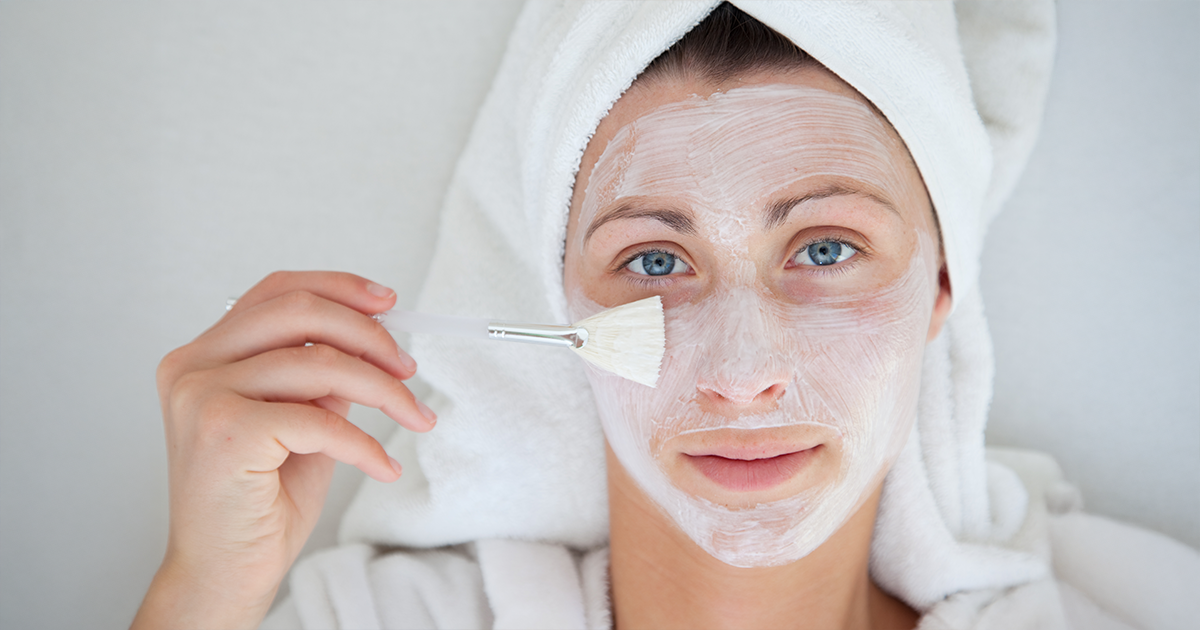
This face pack for glowing skin contains rice flour, which is a natural exfoliator. It is also known for its skin brightening and anti-aging properties. The pack also contains yoghurt, a natural probiotic that helps moisturise the skin. It also contains lactic acid that provides gentle exfoliation. 7
How to Use
- Mix 2 tablespoons of rice flour with 2 tablespoons of fresh yoghurt.
- Apply evenly to your face and neck, leave on for 15-20 minutes, and rinse.
11. Coffee and Milk Face Pack
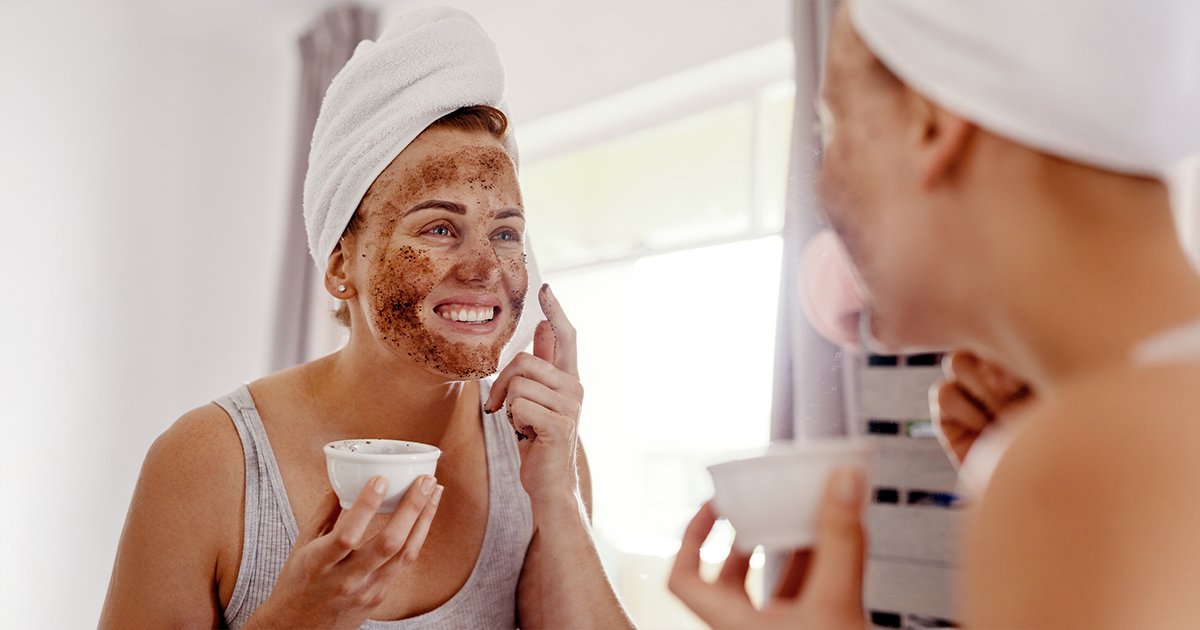
Next up is a milk and coffee face pack for glowing skin. Coffee is rich in antioxidants that help fight free radicals. It protects the skin from oxidative damage, which is linked to signs of aging, like dark spots and fine lines. Ground coffee particles also act as a physical exfoliant. Milk contains lactic acid that also helps with gentle exfoliation. It also moisturises the skin. 9 13
How to Use
- Mix 1 tablespoon of coffee grounds with 2 tablespoons of milk.
- Apply evenly, let it dry for 15-20 minutes, and wash off.
When to Use Face Packs for Maximum Glow?
Timing matters when it comes to face packs. Ideally, apply them in the evening, before bed. This is because this is the best time when your skin is not exposed to pollution or dust for 7-8 hours at a stretch. You should also use the face packs consistently and at least 2-3 times a week. Avoid daily use as it may strip your skin of its natural oils.
Common Mistakes That Block Your Glow
Even the best face pack won't work if you are making these common mistakes:
- Over-application: Using face packs daily can strip your skin's natural oils. Stick to 2-3 times weekly unless otherwise specified.
- Ignoring Skin Patch Test: Always test a new ingredient. This prevents allergic reactions and irritation.
- Using Expired Ingredients: Do not use anything that is past its prime.
- Skipping Moisturiser: Always follow up with a good moisturiser after washing off your face pack to lock in hydration.
Tips for Choosing the Right Facial Mask
What works for your skin might not work for others. Therefore, always choose face packs that suit your specific skin type and concerns. Here are some simple tips you can follow:
- Oily Skin: Opt for clay-based masks that absorb excess oil.
- Dry Skin: Choose hydrating masks and avoid clay masks that might further dry your skin.
- Combination Skin: Use clay masks on your T-zone, which tends to get oily. For the rest of the face that is prone to dryness, use hydrating masks.
- Sensitive Skin: Stick to gentle, soothing ingredients. Also, always do a patch test to check for sensitivities.
- Acne-Prone Skin: Use masks with anti-bacterial ingredients that help fight acne. Avoid heavy oils that can clog pores and lead to breakouts.
Conclusion
All these DIY face packs for glowing skin prove that achieving radiant, glowing skin does not require expensive products or complicated routines. Natural kitchen ingredients can also work wonders for your skin. You only need to choose face packs suited to your skin type, perform patch tests, and stick to a regular schedule. Listen to your skin and adjust accordingly. With patience and the right natural ingredients, that coveted healthy glow is within reach!
Frequently Ask Questions
1. How often should I use homemade face packs?
Most homemade face packs for glowing skin can be used 2–3 times a week. Overusing face packs, especially clay-based masks like Multani Mitti, may dry out the skin and weaken the natural skin barrier. Hydrating face packs with ingredients like aloe vera or banana may be used more frequently depending on your skin type.
2. Can I store DIY face packs for later use?
Freshly prepared DIY face packs work best because natural ingredients can spoil quickly. Most homemade face packs should ideally be used immediately after preparation. If necessary, some masks can be refrigerated in an airtight container for up to 24 hours, but face packs containing milk, yoghurt, or fresh fruit should not be stored for long.
3. How long should I leave a face pack on?
Most face packs for glowing skin should be left on for around 15–20 minutes. Leaving them on too long, especially clay masks, may make the skin feel dry or irritated. Wash the face pack off once it starts drying, but before it becomes overly tight or flaky.
4. How to get 100% clear skin?
There is no guaranteed way to achieve “100% clear skin” because factors like hormones, genetics, lifestyle, and environmental exposure all influence skin health. However, a consistent skincare routine, balanced diet, proper hydration, quality sleep, and regular use of suitable face packs can help improve skin clarity and texture over time.
5. What are the 7 whitening herbs?
Herbs traditionally used in skincare for brightening and improving skin appearance include turmeric, sandalwood, saffron, liquorice, aloe vera, neem, and tulsi. These ingredients do not permanently whiten the skin but may help reduce dullness, tanning, and uneven skin tone to reveal your natural complexion.
6. What to eat for face glow?
For naturally glowing skin, include foods rich in vitamins, antioxidants, and healthy fats in your diet. Fruits, leafy greens, nuts, seeds, yoghurt, and water-rich foods like cucumber and watermelon may help support healthy skin. Nutrients such as vitamin C, omega-3 fatty acids, and protein also contribute to radiant-looking skin.
7. What are the 4 types of skin color?
Skin colour is often broadly classified into fair, light brown, medium brown, and deep brown categories. However, skin tone naturally varies among individuals due to genetics and melanin levels. Maintaining healthy skin is more important than trying to change your natural skin colour.


.webp)