

Are you seeing yellow, crusty flakes on your baby's scalp? Firstly, let us tell you that not every flaky scalp is dandruff. In babies, it could be cradle cap, a common condition caused when excess oil traps dead skin cells on the scalp. 1 The good news? It can be managed gently with the right routine - a scalp oil and a foaming cradle cap shampoo.
Still confused and have some more questions? Read this comprehensive blog and understand everything you need to know about cradle cap in babies. Furthermore, we have also made it easy to find the right cradle cap treatment for your little one. The blog lists the top 10 cradle cap shampoos that fit well into your baby's haircare routine. Shall we get started?
What Is a Cradle Cap, And Why Does It Happen?
Cradle cap shows up as flaky, crusty or slightly oily patches on your baby’s scalp. It may look uncomfortable, but it isn’t either painful or itchy. The flakes can be white or yellow, and sometimes a little stubborn to remove. 2 3
In most cases, cradle cap settles down on its own within a few weeks or months. Meanwhile, gentle care goes a long way. Washing your baby’s scalp with a mild shampoo can help soften the scales, making them easier to lift away over time. It’s best to avoid picking or scratching, as that can irritate delicate skin.
If the flakes persist, spread, or start to look more severe, it’s a good idea to check in with the paediatrician. They may recommend an appropriate shampoo or a targeted treatment to help clear it up safely.
Causes Of Cradle Cap 3 4
- Before birth, certain maternal hormones pass to the baby. These can temporarily over-activate the baby’s oil glands and hair follicles, leading to excess oil production (sebum).
- This extra oil makes it harder for dead skin cells to shed naturally, causing them to stick together and form flaky, scaly patches.
- A naturally occurring yeast called Malassezia can grow in this oily environment, sometimes contributing to the condition.
- Some myths revolve around poor hygiene that may lead to cradle cap. However, studies say that it’s not linked to how often you wash your baby’s scalp, so it isn’t a sign of uncleanliness.
What Is The Treatment For Cradle Cap?
Cradle cap usually doesn’t need medical treatment and often clears up on its own within a few months. However, gentle care at home can help speed up the process. 3 5
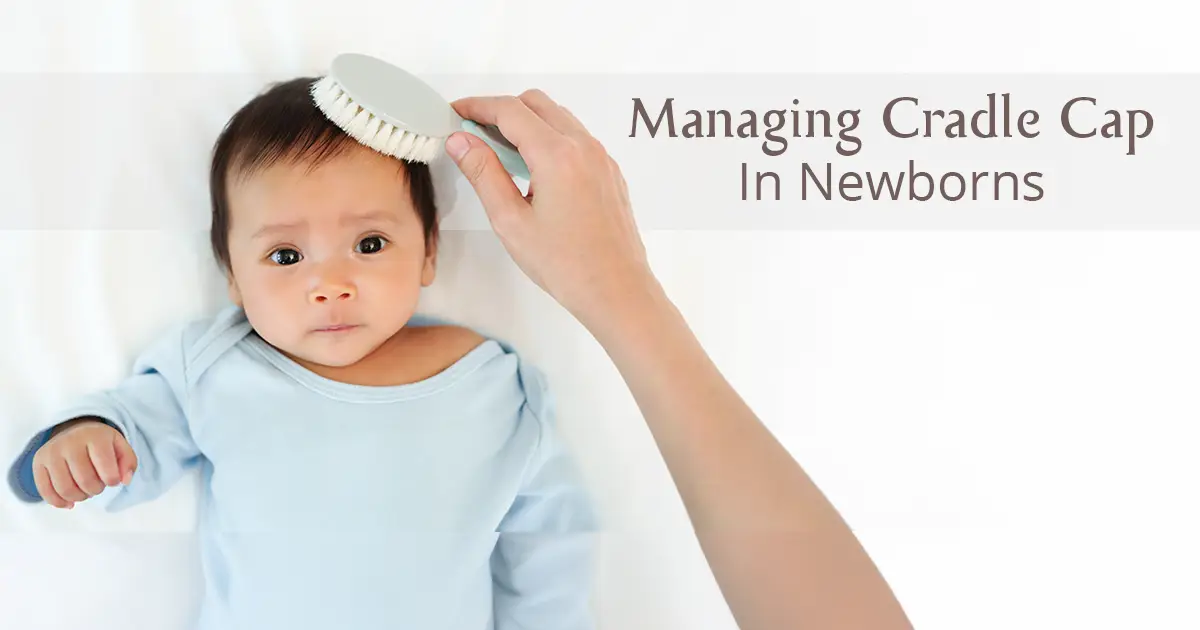
You can start by softening the scales using baby scalp oil (hair oil) before a bath. Then, wash your baby’s scalp regularly with a gentle, fragrance-free shampoo, using soft circular motions to loosen flakes. 3 5
Please note: Avoid scratching or picking at the scales, as this can irritate the skin and increase the risk of infection. If it persists or worsens, consult a doctor. 3 5
How Do We Choose the Best Cradle Cap Shampoo?
Choosing the right shampoo isn’t about picking the strongest one. It’s about finding something gentle yet effective for your baby’s delicate scalp.
- Go for mild, tear-free formulas - A baby’s scalp is sensitive, so always choose a gentle, no-tears shampoo that cleans without irritation.
- Avoid harsh chemicals - Look for sulphate-free, paraben-free and fragrance-free options. Harsh ingredients can dry out the scalp and worsen flaking.
- Check for soothing ingredients - Ingredients like aloe vera or mild plant-based cleansers help calm the scalp while removing flakes gently.
- Choose pH-balanced formulas - A pH-balanced shampoo helps protect your baby’s natural skin barrier and prevents dryness.
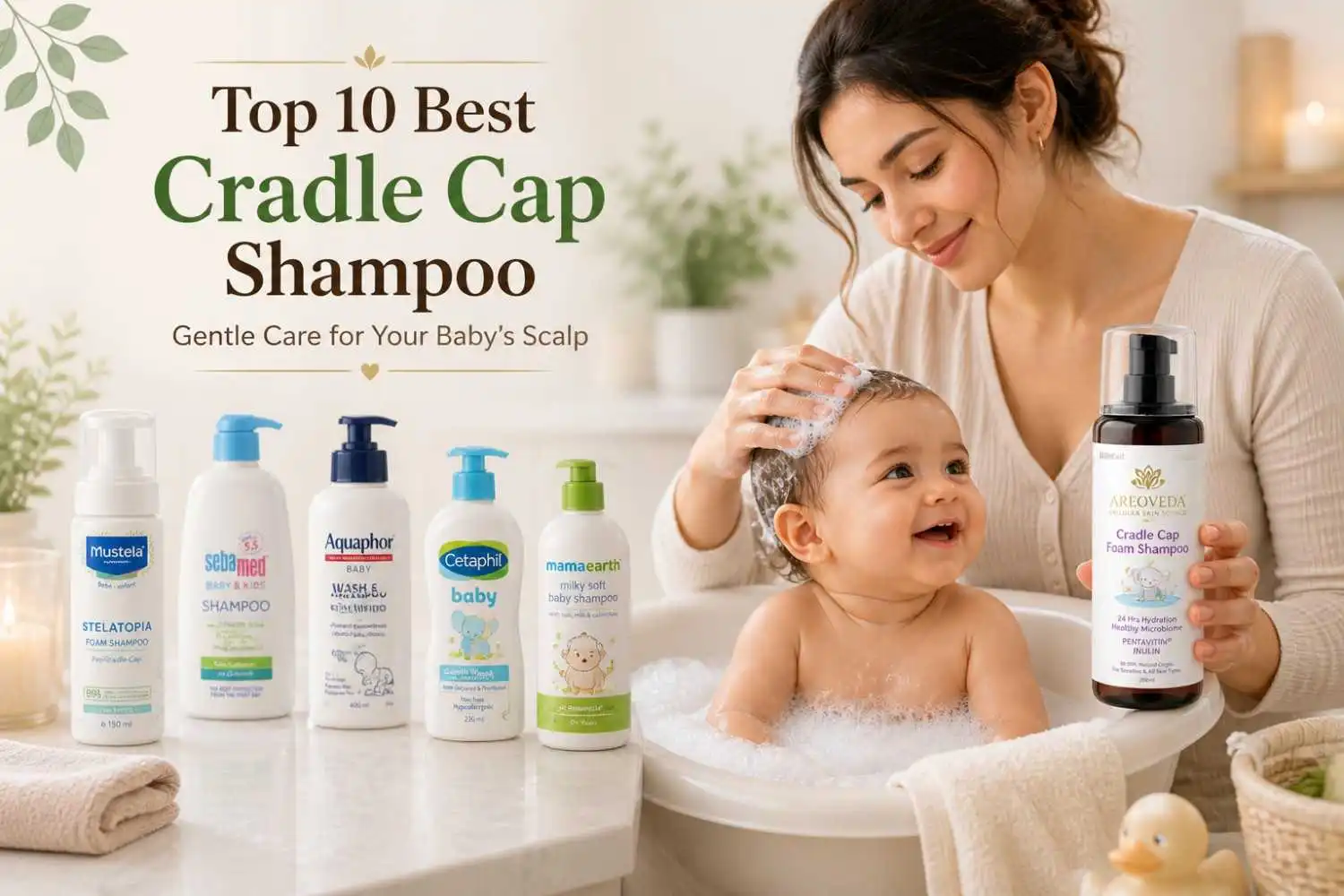
Top 10 Best Cradle Cap Shampoos
1. AreoVeda Cradle Cap Duo (Scalp Oil + Foam Shampoo)
AreoVeda takes a routine-first approach with its Cradle Cap Duo, combining a nourishing scalp oil with a gentle foam shampoo for better results. The AreoVeda Cradle Cap Scalp Oil helps soften and loosen stubborn flakes, while the AreoVeda Cradle Cap Foam Shampoo cleanses without stripping natural moisture.
This 2-step system works with your baby’s scalp, rather than against it, making removal easier and safer over time.
USP: Complete care routine, toxin-free, designed specifically for delicate baby scalp balance.

2. Mustela Foam Shampoo for Newborns
Known for its lightweight foam texture, Mustela focuses on targeted cradle cap cleansing without harsh rubbing. It’s enriched with naturally derived ingredients that help reduce flakes and rebalance the scalp.
USP: Easy-to-use foam format, gentle exfoliation, widely recommended for newborn care.
3. Sebamed Baby Shampoo
Sebamed is built around a pH 5.5 formula, which supports the baby’s natural skin barrier. While not exclusively for cradle cap, it helps prevent dryness and irritation, which can make flaking worse.
USP: Soap-free, pH-balanced, ideal for maintaining overall scalp health.
4. Aquaphor Baby Wash & Shampoo
Aquaphor leans into hydration-first care, making it a good option when cradle cap is paired with dryness. Its formula gently cleanses while retaining essential moisture in the scalp.
USP: 2-in-1 formula, extra gentle, suitable for very sensitive skin.
5. Burt’s Bees Baby Shampoo & Wash
This brand is known for its plant-based formulations, using naturally derived ingredients to cleanse without harsh chemicals. It supports mild flake removal while keeping the scalp nourished.
USP: Natural ingredients, free from sulphates and parabens, eco-conscious positioning.
6. Cetaphil Baby Gentle Wash & Shampoo
Cetaphil focuses on ultra-mild cleansing, making it suitable for babies with sensitive or reactive skin. It helps keep the scalp clean without aggravating flakes.
USP: Dermatologist-trusted, soothing formula, ideal for everyday use.
7. Mamaearth Milky Soft Baby Shampoo
Formulated with ingredients like oat milk and calendula, this shampoo aims to soothe irritation and gently cleanse buildup.
USP: Natural actives, toxin-free positioning, widely accessible.
8. Chicco Baby Moments Shampoo
Chicco offers a no-tears, mild cleansing formula that helps maintain scalp hygiene while being gentle on delicate skin.
USP: Simple formulation, everyday usability, safe for frequent washes.
9. Himalaya Baby Shampoo
Backed by herbal ingredients like chickpea and hibiscus, Himalaya focuses on mild cleansing with a natural touch.
USP: Herbal positioning, budget-friendly, widely trusted in Indian households.
10. Aveeno Baby Wash & Shampoo
Infused with colloidal oatmeal, Aveeno is designed to soothe dry, irritated skin while cleansing gently.
USP: Moisture-locking formula, ideal for babies prone to dryness along with cradle cap.
How to Use Cradle Cap Shampoo?
- Start by softening the flakes - Apply a gentle oil to your baby’s scalp and leave it on for a few hours (or overnight) to loosen buildup. 6
- Wash with a mild shampoo - Use a cradle cap or baby shampoo and gently massage the scalp with your fingertips—no harsh scrubbing.
- Rinse thoroughly - Make sure no product residue is left behind on the scalp.
- Repeat regularly - Follow this routine a few times a week for best results.
When To See A Paediatrician?
A paediatrician should be contacted if: 1 2 3
- The cradle cap spreads to the face, ears, or neck
- The skin looks very red or inflamed
- The baby seems uncomfortable or is scratching constantly
- Signs of infection are noticed, like oozing or a bad smell
- No improvement is seen after 4-6 weeks of home treatment
Conclusion
Cradle cap may look concerning at first, but it’s a common and manageable part of your baby’s early months. With the right approach, it doesn’t have to feel overwhelming. Gentle, consistent care, like softening the flakes and cleansing with a mild shampoo, can make a noticeable difference over time.
Instead of looking for quick fixes, focus on a routine that supports your baby’s delicate scalp. Whether it’s a simple wash or a complete oil-and-shampoo routine, the goal is to keep the scalp clean, balanced, and comfortable.
And remember, if something doesn’t feel right or the condition persists, a paediatrician can guide you toward the safest next steps.


.webp)