

Alcohol in skincare is a bit like that friend everyone has strong opinions about. It is often judged before it’s understood. Some swear by it; however, there must be a category that would avoid it at all costs. If you’re one of those who read the labels carefully, then you must have noticed: “alcohol-free” stamped proudly on bottles. Probably, you must have also heard warnings about alcohol drying out your skin. But is that always true? Turns out, the answer isn’t a simple - Yes or No! Not all alcohols behave the same, and knowing the difference can save your skin (literally).
So, if you’re unsure whether alcohol is good or bad in skincare, read this blog for clarity. Let’s begin.
Key Takeaways
|
What is Alcohol?
Alcohol is a group of organic compounds commonly used in skincare formulations. Depending on the type, alcohol can help improve a product’s texture, enhance absorption, or even support the skin barrier. This is where things get interesting, because not every alcohol is harmful!1 2 3 4
Why is Alcohol Used in Skincare?
Skincare brands use alcohol for several reasons. It’s mostly used to: 3 5 6
- Help active ingredients penetrate the skin better
- Give products a lightweight, fast-absorbing feel
- Improve shelf life and stability
- Reduce greasiness, especially in products meant for oily or acne-prone skin
While these benefits sound appealing, the impact depends entirely on which alcohol is used and how much of it is present.
What’s the Difference Between Good & Bad Alcohol?
Not all alcohol is the same, and this is where the confusion begins. Alcohol used in skincare broadly falls into two categories: 7 8
- Drying alcohols (often called “bad alcohols”)
- Fatty alcohols (often called “good alcohols”)
Both serve very different purposes and affect the skin in completely different ways.
What Does "Bad Alcohol" Do to the Skin?
Drying alcohols, such as Alcohol Denat, Ethanol, Isopropyl Alcohol, and SD Alcohol, are commonly used for their quick-drying and oil-controlling properties. However, their frequent use in skincare products may do more harm than benefit. It may- 3 9 10 11
- Strip away natural oils
- Weaken the skin barrier 12
- Increase dryness, irritation, and sensitivity
- Trigger more oil production over time 13
This is especially concerning for people with dry, sensitive, or compromised skin.
What are the Benefits of "Good Alcohols" in Skincare?
Fatty alcohols such as Cetyl Alcohol, Stearyl Alcohol, Cetearyl Alcohol, and Behenyl Alcohol are skin-friendly and often misunderstood. These alcohols: 14
- Act as emollients that soften and smooth the skin
- Help lock in moisture
- Improve product texture and stability
- Support a healthy skin barrier
They are derived from natural sources like coconut or palm oil and are generally safe, even beneficial, for most skin types. 15
Alcohol-Free Alternatives for Healthier Skin
Alcohol-free skincare focuses on hydration, nourishment, and barrier repair without compromising skin comfort. These products rely on gentler and natural ingredients to deliver similar benefits minus the dryness.
Natural Ingredients That Replace Alcohol
Many nature-based ingredients hold the list and can replace the functional role of alcohol, such as:
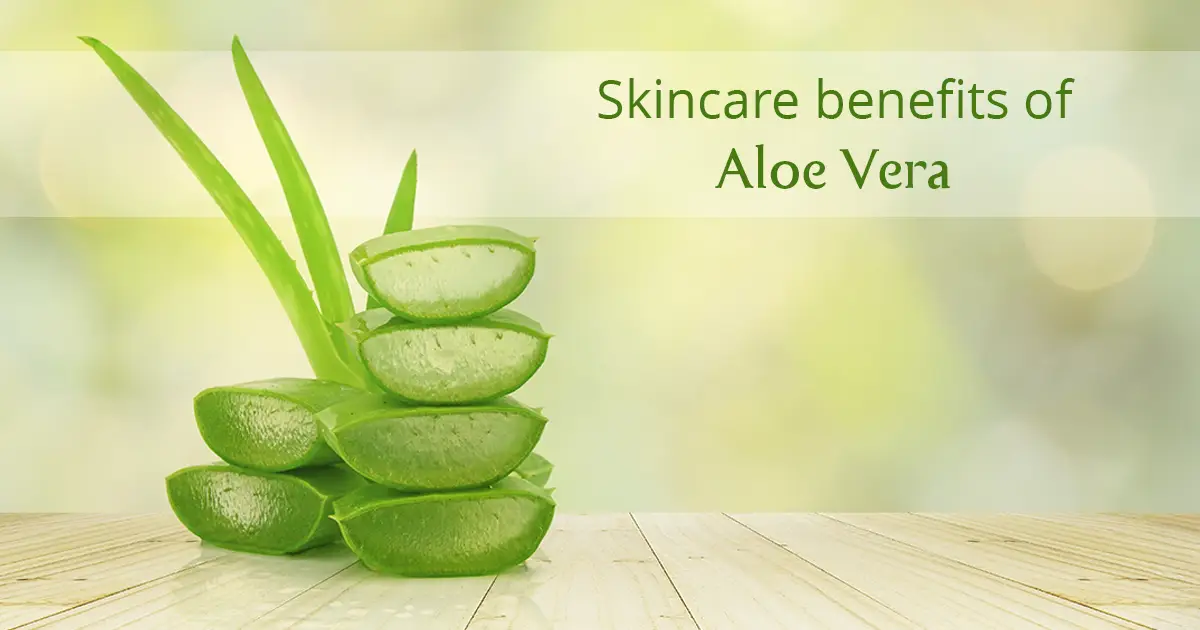
- Aloe vera: Aloe Vera is well-known for its skin benefits, especially its moisturising properties. The sugar molecules in Aloe Vera attract and hold moisture, which helps improve skin health and can relieve dryness. Additionally, amino acids in Aloe Vera soften rough skin, while zinc acts as an astringent, helping to tighten pores. Known for its succulency, Aloe Vera also helps maintain skin moisture, giving you supple and firm skin. 16 17
- Glycerin: It is a powerful humectant that helps draw moisture from the environment into the skin, keeping it well-hydrated and comfortable. By strengthening the skin’s natural moisture barrier, glycerin helps prevent water loss and supports long-lasting hydration. It also improves skin smoothness and elasticity, making the skin feel softer and healthier over time. Gentle and non-irritating, glycerin is suitable for all skin types, including sensitive skin. 18 19 20
- Hydrolysed Milk Proteins: Active ingredients like GMP hydrolysate and lactoferrin, present in milk proteins, exhibit anti-irritant properties that can reduce skin inflammation. Additionally, it can also help improve the redness and scaling caused by psoriatic lesions (dry, itchy, scaly skin) owing to their anti-inflammatory action. 21
Various studies reveal that lactoferrin, a component of milk proteins, moisturises the skin. It also prevents water loss (by evaporation) from the skin's surface cells, thus keeping the skin hydrated. 22
- Plant oils and butters: Plant oils and butters are rich in essential fatty acids, vitamins, and antioxidants that help nourish and protect the skin. They work by strengthening the skin’s natural barrier, reducing moisture loss, and improving overall skin softness. Ingredients like shea butter, coconut oil, and various plant-derived oils help smooth rough texture, enhance elasticity, and support long-term skin health. Their emollient nature makes them especially beneficial for dry, sensitive, or compromised skin, leaving it supple, comfortable, and well-nourished. 23 24 25
How to Identify Alcohol-Free Products?
Always check the ingredient list. If you see Alcohol Denat, Ethanol, or Isopropyl Alcohol listed near the top, the product likely contains a high concentration. On the other hand, labels like “alcohol-free” can help, but you still need to check and read the label carefully. Go through the ingredient list because awareness is key.
Best Practices for Choosing Safer Skincare
- Choose skincare based on your skin type, not just trends or labels.
- Don’t automatically avoid fatty alcohols. They are generally skin-friendly and help improve texture and moisture retention.
- Be cautious of products that leave your skin feeling tight or overly dry, as this can indicate barrier disruption with repeated use.
- Your main focus should be on hydration and barrier support. This will vouch for long-term skin health.
- Always patch test new products to minimise the risk of irritation or unexpected reactions.
Conclusion
When it comes to alcohol in skincare, there’s no one-size-fits-all answer. Some alcohols may dry the skin and disturb its natural balance, while others quietly support product performance without causing harm. Knowing how to tell the difference gives you control over your routine. So, the next time you’re shopping for skincare, don’t just choose products with labels that say “alcohol-free” or “gentle on skin”! Dig a little deeper, ensure the product fits your skin type, and lastly, ensure it supports your skin health over time!


.webp)